
Case Study: Decades of Data Shows Harvesters Markedly Reduce Weed Growth
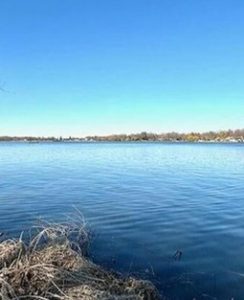
PROJECT CHALLENGE
- Very developed shoreline increases nutrients entering the lake, resulting in aquatic plant growth and algae blooms
- Popular recreational destination requires a balance between a healthy aquatic ecosystem and recreational access
- Invasive Eurasian watermilfoil (EWM), curly-leaf pondweed, and non-native zebra mussels are present
- Harvester permitted to remove invasives and to cut specific navigational lanes
THE SOLUTION
Aquatic Weed Harvesting is a long-term commitment on Lake Ripley. Efforts have successfully reduced invasive EWM by 57%, with over 1,000 loads of harvested plants removed from the lake.
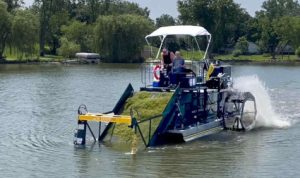

Aquatic plants are vital for water quality, algae control, sediment stabilization, and shoreline protection. The District recognizes the importance of riparian access and strives to maintain a balanced aquatic plant environment.





© 2026 Aquarius Systems. All Rights Reserved.