
Case Study: TrashVeyor™ Intercepts Floating Debris Before Entering Lake Michigan
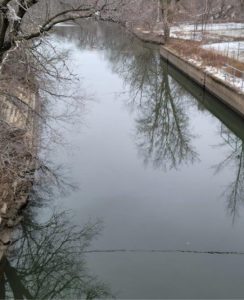
PROJECT CHALLENGE
- Precipitation and wind deposit debris into storm drains, which then flow into the river
- Watershed drainage carries runoff and trash into the water
- Homeless encampments along the river contribute significantly to the debris problem
- Urbanized area limits available space for equipment placement and operation
- Water level varies daily by 2-3 feet with embankment to water level as low as 7 feet
THE SOLUTION
An 8-month pilot project on the Kinnickinnic River is successfully tackling the high volume of trash such as bottles, cans and sticks. After a rainfall in March, the TrashVeyor collected 3.2 tons of debris within hours.
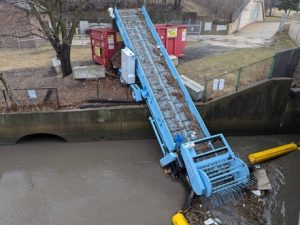

In October, a two-week test collected 1.5 tons of trash. Even when the system is temporarily shut down to replace the dumpster, the booms continue to act as an interceptor to trap debris, preventing it from flowing downstream.





© 2026 Aquarius Systems. All Rights Reserved.