
Did you know some animals, like apes, use plants for healing? Humans have long observed these behaviors in the wild and adapted them into medicine. It is just one example of how connected plants, animals, and people really are. A healthy plant animal human chain can make the world a better, healthier place. But as our environments become more connected, there are also growing threats to plant ecosystems that are hard to ignore.
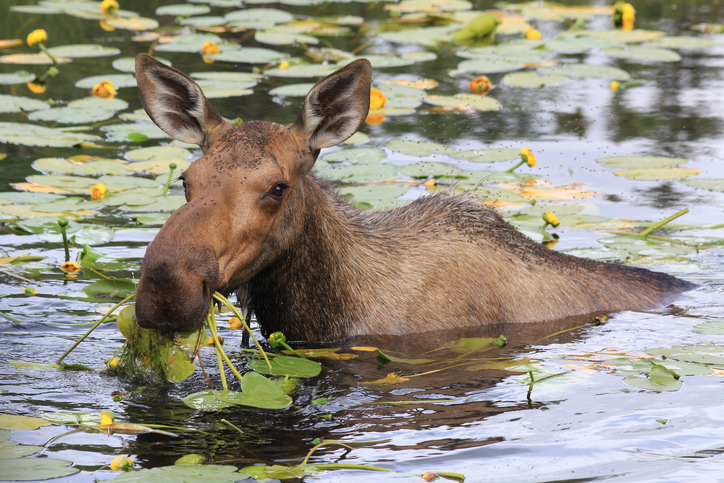
That connection does not stop on land. It continues below the surface of our lakes, rivers, and wetlands. Aquatic plants play a critical role in maintaining water quality and supporting life. They produce oxygen, stabilize sediments, absorb nutrients, and provide essential habitat for fish, waterfowl, and invertebrates. In many ways, they are the foundation of a healthy aquatic ecosystem. Without them, water bodies can quickly lose balance.
 However, like any natural system, balance is key. Too little vegetation can lead to erosion, poor habitat, and declining water quality. Too much growth can restrict water flow, limit recreation, and contribute to issues like low oxygen levels and algae blooms as plants die and decompose. Excess nutrients from runoff, changing weather patterns, and other environmental pressures can all shift that balance in the wrong direction.
Managing aquatic plants is not about removing them entirely. It is about maintaining a healthy, functional system. Mechanical harvesting and targeted removal can control excessive growth while preserving beneficial vegetation. Aquarius Systems has worked with lake managers, municipalities, and contractors to remove overgrowth in a way that improves water flow, supports recreation, and helps maintain overall water quality.
Healthy aquatic plant communities lead to clearer water, stronger ecosystems, and better recreational opportunities. Whether you are managing a lake, river, or pond, understanding the role of aquatic plants is an important step toward long term water health.