(262) 392-2162 | info@aquarius-systems.com
  • Contact Us
  • Resources
  • Careers

Aquarius-Systems

  • Home
  • Equipment
    Weed Harvesters
    Aquatic Excavators
    Canal Cleaners
    Vegetation Shredders
    Trash Skimmers
    Transport Barges
    Trailers
    Offloading Conveyors
  • Service
    Parts & Service
    Equipment Manuals
    Safety Guide
  • About Us
  • Media
  • Latest
  • Quote

Aquatic Plants Keep Water Healthy

  • 0
/ Published in Blog
Moose standing in water eating aquatic plants.
Did you know some animals, like apes, use plants for healing? Humans have long observed these behaviors in the wild and adapted them into medicine. It is just one example of how connected plants, animals, and people really are. A healthy plant animal human chain can make the world a better, healthier place. But as
algaeaquarius systemsaquatic plantsaquatic vegetationecosystem healthlake managementmechanical harvestingnutrient runoffstormwaterwater quality

Weed Harvester Keeps Prospect Park Waters Clear

  • 0
/ Published in Aquatic Plant Management, Case Studies
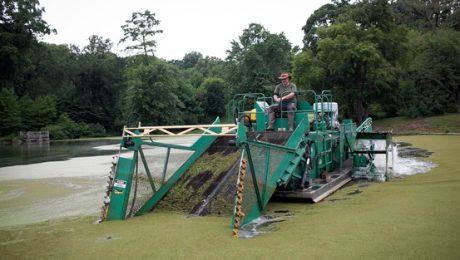
Mechanical weed harvester removing duckweed in New York.
Martin Woess and his aquatic weed harvester dubbed the Lake Mess Monster has been busy clearing the waters of Prospect Park.  Once a week Woess climbs aboard his weed harvester to collect the scum which consists mostly of duckweed and azolla which would quickly take over the pond if left unchecked.  New York City owns two of
aquatic vegetationaquatic weed harvestingazollaCentral Park Harlem Meerduckweedmechanical harvestingnutrient runoffProspect Park pondurban lakeswater quality

Mechanical Harvesting Clears Nutrient-Fueled Canal Growth

  • 0
/ Published in Aquatic Plant Management, Water Quality & Pollution
Water hyacinth harvester
Lee County Hyacinth Control manages aquatic plants in our waterways using several different methods. The mechanical weed harvester is an eco-friendly method clears widespread vegetation so boats can navigate through our canals. Run off in Cape Coral canals comes from many places. It could be your street, your roof or your lawn. The recycled water
algae bloomsaquatic vegetationaquatic weed controlCape Coral canalsLee County Floridamechanical harvestingnitrogen runoffnutrient runoffphosphorus pollutionwater quality

Dane County Weed Harvesters Cut Dense Aquatic Plants to Improve Navigation and Reduce Flood Risk

  • 0
/ Published in Aquatic Plant Management, Lake & Waterway Management
Aquatic Weed Harvester
Floating weed harvesters have opened passages through Dane County Wisconsin’s dense tangles of underwater plants for about 50 years. The barges wield rotating cutting bars like those on farm combines to cut a submerged crop that is fertilized too well by runoff of nutrients like dairy manure. Each spring, the county launches a flotilla of
aquatic mowersaquatic vegetationaquatic weed harvesterdairy manureDane Countyfloating weed harvesterflood preventionlake managementmechanical harvestingnavigation lanesnutrient runoffweed harvestingWisconsin

Gulf of Mexico Dead Zone Grows as Nutrient Runoff Increases

  • 0
/ Published in Blog, Water Quality & Pollution
The dead zone in the Gulf of Mexico is an estimated 6,474 square miles of water unable to support marine life.
The dead zone in the Gulf of Mexico, which is believed to have been around since the 1970’s, is now an estimated 6,474 square miles of water unable to support marine life. Government and independent scientists believe nutrient runoff is the main cause of the dead zone.  Pollutants such as nitrogen and phosphorus flow into
agricultural runoffethanol industryGulf of Mexico dead zonehypoxiamarine ecosystemsmississippi rivernitrogen pollutionnoaanutrient runoffphosphorus pollutionrenewable fuel standardseafood industry

Chicago’s Largest Wastewater Plant Tackles Phosphorus Pollution

  • 0
/ Published in Blog, Water Quality & Pollution
Stickney Water Reclamation Plant
Chicago officials boast that the Stickney Water Reclamation Plant is one of the world’s largest sewer treatment plants, handling the waste of 2.3 million people. The Stickney Water Reclamation is the biggest single source of phosphorus in the entire region that drains into the Mississippi River. Combined with other sewage plant releases a state task
fertilizer recoverygulf of mexicoIllinois waterwaysmississippi rivernutrient managementnutrient runoffphosphorus pollutionsewage treatment plantswastewater treatmentwater reclamation

Wisconsin Nitrate Pollution From Farm Fertilizer Threatens Drinking Water

  • 0
/ Published in Blog, Water Quality & Pollution
Studies have estimated that 90% of nitrate in groundwater comes from spreading of synthetic fertilizers and dairy manure on farm fields, with most of the remainder from septic systems.
An estimated 9 to 10 percent of Wisconsin wells have tested over safe limits for nitrate. Studies have estimated that 90% of nitrate in groundwater comes from spreading of synthetic fertilizers and dairy manure on farm fields, with most of the remainder from septic systems. Nitrate behaves differently. Relatively little lingers near roots where it

agricultural pollutiondairy manuredrinking water safetyfarm runofffertilizer usegroundwater pollutionnitrate contaminationnutrient runoffwater qualityWisconsin wells

Why Feeding Ducks Bread Harms Wildlife and Pollutes Water

  • 0
/ Published in Blog, Water Quality & Pollution
Bread is low in protein and are very poor substitutes for natural foods such as aquatic plants, natural grains, and invertebrates.
The sun is shining. The temperatures are rising. A trip to the park is imminent. All of the end pieces of bread saved during the long winter is gathered and ready for the trip. Strolling along the water’s edge the ducks are just waiting to receive some of the bounty, they are so used to
algae growthbread and wildlifeduck feeding mythsfeeding ducksnutrient runoffpark pondsurban wildlifewater pollutionwaterfowl healthwildlife behavior

Wisconsin Phosphorus Rules Target Algae and Water Quality

  • 0
/ Published in Lake & Waterway Management, Water Quality & Pollution
Wisconsin Department of Natural Resources
In December, 2010 Wisconsin became the first state in the country to adopt phosphorus water quality standards for lakes, reservoirs, rivers, and streams.  The Environmental Protection Agency has approved Wisconsin’s revised rule as a revision to Wisconsin’s federally-approved National Pollutant Discharge Elimination System program under the Clean Water Act. Under the new rules DNR determines
algae bloomsblue-green algaeimpaired waterslake managementnutrient runoffphosphorus pollutionwater qualitywisconsin dnr
TOP