


The use of chemical herbicides to control invasive aquatic vegetation in Florida’s Lake Okeechobee is raising questions about potential impacts on drinking water. The lake serves as the primary drinking water source for customers of the Okeechobee Utility Authority, yet herbicides are routinely applied to manage invasive plants. According to a Lake Okeechobee News investigation,

A recent study of bottled water, conducted by the journalism organization Orb Media, found that almost every major brand of bottled water is contaminated with particles of plastic. The researchers tested 250 bottles of water—from nine countries and 11 brands. They dropped a red dye in each, which stuck to the plastic and glowed when


Phosphorus is one of the most important components in the ongoing struggle to balance agricultural prosperity with water quality. When farmers fertilize their fields with this essential nutrient, plants use some, with precipitation carrying excess amounts into nearby bodies of water, fueling algal blooms that can kill fish and and endanger drinking water quality. But

An estimated 9 to 10 percent of Wisconsin wells have tested over safe limits for nitrate. Studies have estimated that 90% of nitrate in groundwater comes from spreading of synthetic fertilizers and dairy manure on farm fields, with most of the remainder from septic systems. Nitrate behaves differently. Relatively little lingers near roots where it
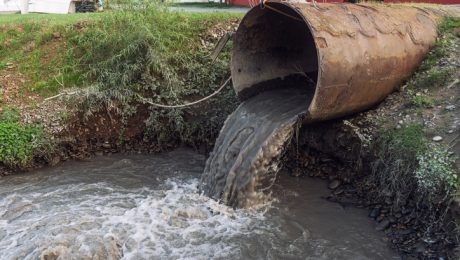
Ask the residents of Jackson Wisconsin about their drinking water and right now you’ll hear a lot of grumbles. 100% of the city’s drinking water comes from groundwater and hasn’t reported any contaminants to the EPA since 2005, although numerous private well owners have not been so fortunate. The Wisconsin DNR had issued a drinking