(262) 392-2162 | info@aquarius-systems.com
  • Contact Us
  • Resources
  • Careers

Aquarius-Systems

  • Home
  • Equipment
    Weed Harvesters
    Aquatic Excavators
    Canal Cleaners
    Vegetation Shredders
    Trash Skimmers
    Transport Barges
    Trailers
    Offloading Conveyors
  • Service
    Parts & Service
    Equipment Manuals
    Safety Guide
  • About Us
  • Media
  • Latest
  • Quote

Explore the causes and effects of water contamination, including microplastics, chemicals, and stormwater runoff. Learn how to protect lakes, rivers, and freshwater resources.

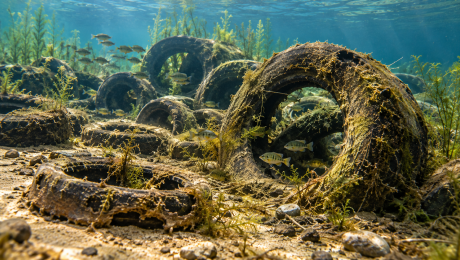
Kinnickinnic River Restoration Combines Harvesting and Debris Removal

  • 0
/ Published in Case Studies, Water Quality & Pollution
floating debris collection automated river cleanupKinnickinnic River TrashVeyor debris removal pilot MilwaukeeMilwaukee water quality improvement urban riversurban watershed stormwater trash interception BMP system

Decomposing Weeds After Spraying Kills Fish in Lake

  • 0
/ Published in Aquatic Herbicides, Lake & Waterway Management, News, Recreation & Fisheries, Water Quality & Pollution
Residents around Indian Lake in Worcester, Massachusetts, are raising concerns after a spike in fish deaths following the recent application of aquatic herbicides. These chemicals, intended to control the spread of invasive weeds, work by killing the plants outright. But once the plants die, they begin to decompose in the water—a process that consumes dissolved
decomposing weedsfishkill

Chemical Spraying Causes Major Fish Kill in Florida Canal

  • 0
/ Published in Aquatic Plant Management, Lake & Waterway Management, News, Recreation & Fisheries, Water Quality & Pollution
Dead fish floating on the water's surface
Following a chemical treatment aimed at controlling aquatic vegetation in Port St. Lucie’s Elkhorn Canal, residents reported what they called the “worst smell in the entire world” as countless fish perished on the canal’s surface. Water tests revealed that dissolved oxygen levels plunged to levels unsustainable for aquatic life—an unintended but severe consequence of the
fish killfishkill

When Waterway Management Turns Harmful

  • 0
/ Published in Aquatic Herbicides, Lake & Waterway Management, Recreation & Fisheries, Water Quality & Pollution
Dead Fish on Shore
In June 2024, a chemical herbicide application in Florida’s Elkcam Waterway resulted in a catastrophic fish kill. Within 24 hours, residents reported fish gasping at the surface, and by the end of the week, thousands of dead fish had washed up along the banks. This devastating incident underscores the dangers of using chemicals to manage
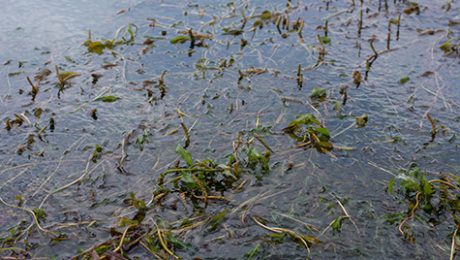
aquatic weed controlfishkill

Hydrilla Eradication Efforts Raise PFAS Concerns in New York Lakes

  • 0
/ Published in Aquatic Herbicides, News, Water Quality & Pollution
Hydrilla mats on water surface
Hydrilla, a non-native aquatic plant, has been labeled one of the world’s most invasive species. While it can dominate shallow, warm waters in places like Florida, its threat in deep, cold lakes such as those in New York is far less clear. Nevertheless, aggressive chemical eradication campaigns have been launched across the state, including in
aquatic herbicides drinking waterCayuga Lake hydrilla treatmentfluridone herbicide PFAShydrillahydrilla invasive plantinvasive aquatic plant control New YorkNew Croton Reservoir hydrillaPFAS water contamination concerns

Water Hyacinths May Help Remove Microplastics From Water

  • 0
/ Published in Aquatic Invasive Species, News, Water Quality & Pollution
Invasive water hyacinth.
Water hyacinth is often seen as a serious problem in lakes and rivers around the world. The fast-growing invasive plant can clog waterways, block sunlight, reduce oxygen levels, and harm native wildlife. Managing large infestations is difficult and expensive, especially in tropical and subtropical regions where the plant spreads quickly. Now, researchers are exploring whether
microplastic pollutionplastic pollution

Salvinia Threat Emerges in Lake Victoria Waters

  • 0
/ Published in Aquatic Invasive Species, Water Quality & Pollution
Aquatic Weed Harvester Cutting Water Hyacinth
A new invasive type of water hyacinth, Salvinia spp., has been discovered in Lake Victoria. It reproduces rapidly, doubling its biomass within 8 days due to high nutrient levels caused by human activities such as improper waste disposal and deforestation. Over 36 tons have already been removed, but the plant continues to spread, threatening fish
aquatic ecosystemsaquatic invasive speciesinvasive aquatic plantslake managementLake Victorianutrient pollutionoxygen depletionsalviniawater hyacinthwater quality

Milwaukee, Wisconsin: Leading the Charge as a Global Water Hub

  • 0
/ Published in Lake & Waterway Management, News, Water Quality & Pollution
River Debris Skimmer Boat in Front of teh Harley-Davidson Museum in Milwaukee Wisconsin.
Milwaukee, a city steeped in history and industry, is emerging as a global leader in addressing one of humanity’s most pressing challenges: water. As the world faces growing concerns over water scarcity, contamination, and climate resilience, Milwaukee has positioned itself at the forefront of innovative solutions. Through strategic investments, world-class institutions, and a commitment to
climate change

Chloraminated Water Causes Massive Fish Kill in Minnesota

  • 0
/ Published in Lake & Waterway Management, News, Recreation & Fisheries, Water Quality & Pollution
Aquatic weed harvester is scooping up dead fish.
The Minnesota Pollution Control Agency released new information regarding its ongoing efforts to determine what caused a massive fish kill in Duluth’s Tischer Creek in August. MPCA Communications Specialist Beverly Godfrey says the city of Duluth drained an estimated 1.7 million gallons of chloraminated water into the creek from the Woodland Reservoir over a 15-hour
chloraminated waterfishkill

How much trash does the Mississippi River funnel from the heartland to the ocean?

  • 0
/ Published in News, Water Quality & Pollution
Plastic makes up 75% of the floating debris in rivers.
Although many people might think oceanside cities bear the responsibility to keep plastic and trash out of the water, the Mississippi River can act as a funnel for that trash from the heart of the country to the Gulf of Mexico. The Mississippi River drains more than 40% of the continental U.S. – just how
marine debrisriver trash
  • 1
  • 2
  • 3
TOP