
Explore the causes and effects of water contamination, including microplastics, chemicals, and stormwater runoff. Learn how to protect lakes, rivers, and freshwater resources.


Plastic is killing 40 % of young sea turtles, shocking new research has shown. Baby turtles are almost four times more likely to be killed by ingesting plastic waste compared to adults. Not only do these animals have weaker bodies, but they also feed in offshore waters closer to the surface, which are more likely
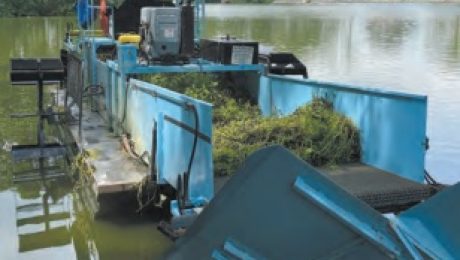
A study by the Center for Limnology at UW-Madison says invasive species usually exist in low number and that overabundance is NOT the most common scenario. “Invasive species are often thought of as species that take over wherever they get in,” says Jake Vander Zanden, a UW limnology professor who directed the research. “But, in
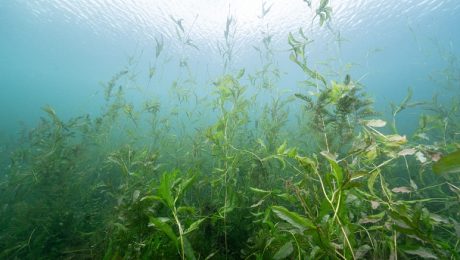
Posted on July 9, 2013 by Dan O’Keefe, Michigan State University Extension Aquatic ecologists tend to avoid the term “weeds” when referring to macrophytes – the rooted aquatic plants that many swimmers and boaters disdain. These plants provide food for waterfowl and habitat for fish, but they can also play a critical role in maintaining
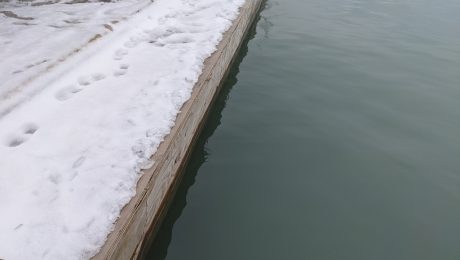
The Wharf is part of the great wall of the Chesapeake Bay. Development along the bay and its rivers, vast swaths of soft shorelines have been turned into stone and below the river’s surface, animals that depend on vegetation in the water may continue to struggle, marine scientists say. If the trend continues, numerous species
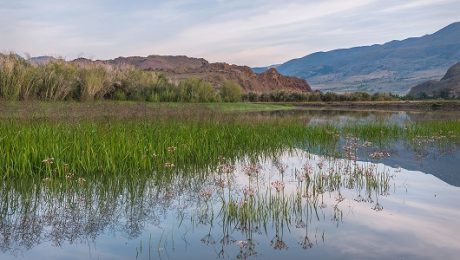
A study published in the September issue of BioScience, estimates that by 2050 , eighty-six species of fish may be extinct. That rate is 877 times higher than normal and has been accelerating in the past 20 years leading study author, Noel M. Burkhead of the U.S. Geological Survey to believe that “something’s up.” Many
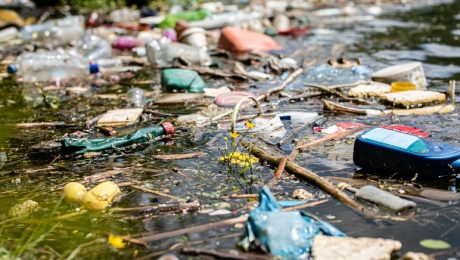
Plastic is the predominant type of manmade debris found in rivers and oceans today. Between 60 and 80% of all marine debris is comprised of petroleum based plastics. Despite the fact that plastic pollution is a relatively recent phenomena, the problem has reached the far corners of the global oceans. Most of the obvious plastic

Researchers who work in wetlands in Michigan are taking a new approach to invasive plants. They’re harvesting them for fertilizer and fuel. When you’re in the middle of the Shiawassee National Wildlife Refuge, you don’t realize how massive it is. It’s 10,000 acres of marshes and bogs, forest and farmland. To put the size in

David Tyler, publisher of the Cazenovia Republican in Cazenovia New York appreciates and applauds the efforts of the Cazenovia Lake Association and the Lake Watershed Council in their efforts to maintain the health of the lake. With that said, he questions the effect of herbicide treatments on the size and number of fishing being caught.

Lake Isabella has experienced a significant “fish kill” due to low oxygen levels following treatment of an extremely high blue-green algae presence. When the heavy bloom was noted a recommendation was made to close the lake to swimming and boaters and a company was hired to treat the lake with a chemical called SeClear. The
Oceans are filled with millions of tons of plastic. A 2021 study estimated that 80% of it was carried there by rivers. While many ocean-cleaning efforts have focused on trash that’s already made it to the high seas, river cleanups offer a way to intervene sooner. When a plastic bag is swept down a storm