
Algae, including blue-green algae (cyanobacteria), can form harmful blooms that impact water quality, wildlife, and recreation. Learn how algae blooms develop and how to manage them safely.


Lakes across the country are struggling with harmful algal blooms, low oxygen, and declining fish populations. While these problems are often obvious at the surface, many management practices are based on misconceptions that don’t address the real causes. Instead of solving the issue, they often make lakes even sicker. Chemical Treatments: A
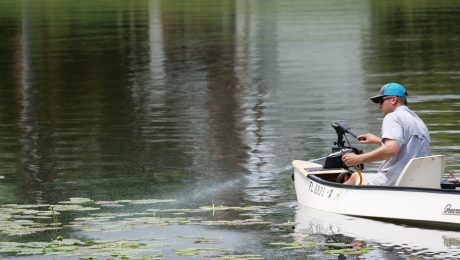
While officials admit that glyphosate is only a small part of the problem with algae blooms on Lake Okeechobee in Florida, they do believe that their decision to temporarily suspend the use of aquatic plant killers was a “necessary call.” Glyphosate is widely used in Lake Okeechobee to kill invasive species and leaves deposits of

Lake Isabella has experienced a significant “fish kill” due to low oxygen levels following treatment of an extremely high blue-green algae presence. When the heavy bloom was noted a recommendation was made to close the lake to swimming and boaters and a company was hired to treat the lake with a chemical called SeClear. The
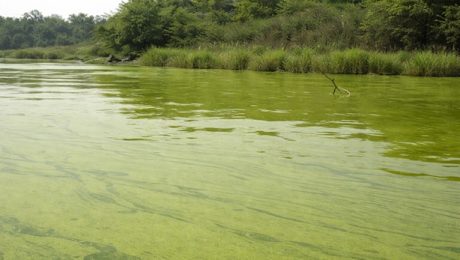
A history of pollution is sparking a colorfully devastating scourge in lakes across the country: algae blooms. These events can turn pristine waterways to pea soup, choking out wildlife and toxifying water. Increasingly, scientists are fighting back with chemical warfare, injecting aluminum sulfate into lakes to neutralize the pollutants that fuel the blooms. Aluminum sulfate,

A new study maps the potential of wetlands – an ecosystem flooded with water and supporting a vegetation of aquatic plants – to improve water quality. Through the study, the researchers claim that regrowing wetlands can act as a key strategy for improving water that is laden with contaminants like nitrate. Nitrates reach groundwater, rivers,
As many Americans plan trips to lakes and river this Labor Day Weekend, experts are sending out a warning to watch out for toxic algae blooms. Researchers identified 318 bodies away in the US that have been infected by the microscopic organism called cyanobacteria. Approximately 86 percent of the outbreaks were in recreational areas, but

An outbreak of toxic algae has killed almost all fish at Lake Mission Viejo, a world-class bass fishery in California. An estimated 10,000-plus bass, catfish, sunfish and blue gill have died in the past few months at the man-made recreational lake, said Kevin Frabotta, general manager of the Lake Mission Viejo Association, the homeowners association

Marine ecosystems suffer from nutrient pollution, as most of our waste tends to get dumped in the sea. This kind of pollution can become very deadly, as high levels of nutrients foster algal blooms which destroy water quality and deplete its oxygen — in short, they kill everything else around them. New research at the
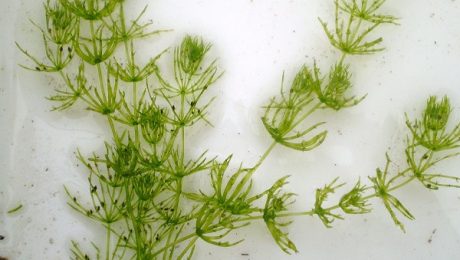
Whether you visited Renner Reservoir for the first or 10th time this summer, you probably noticed a branchy, aquatic algae called chara covering the bottom of the reservoir. Compared to other aquatic plants, which are referred to as macrophytes, chara forms denser mats offering less habitat for fish and a less palatable meal for invertebrates.