(262) 392-2162 | info@aquarius-systems.com
  • Contact Us
  • Resources
  • Careers

Aquarius-Systems

  • Home
  • Equipment
    Weed Harvesters
    Aquatic Excavators
    Canal Cleaners
    Vegetation Shredders
    Trash Skimmers
    Transport Barges
    Trailers
    Offloading Conveyors
  • Service
    Parts & Service
    Equipment Manuals
    Safety Guide
  • About Us
  • Media
  • Latest
  • Quote

Misconceptions About Lake Health and the Risks of Chemical Treatments

  • 0
/ Published in Algae & Harmful Algal Blooms, Blog, Lake & Waterway Management
Blue-green algae
Lakes across the country are struggling with harmful algal blooms, low oxygen, and declining fish populations. While these problems are often obvious at the surface, many management practices are based on misconceptions that don’t address the real causes. Instead of solving the issue, they often make lakes even sicker.       Chemical Treatments: A
aquatic chemicalsharmful algal bloomsinvasive species managementlake ecologylake restorationsediment nutrientswater quality

January 2012 Newsletter

  • 0
/ Published in Newsletter
Lake Erie Faces Collapse & Blue Green Algae Environmentally Friendly New Years Resolutions Lake Erie Faces Collapse Blue Green Algae Wisconsin Wetlands Association Conference Read More
Conferencesgreat lakesharmful algal bloomslake managementwater quality

Zebra Mussels Can Increase Microcystis Harmful Algal Blooms

  • 0
/ Published in Algae & Harmful Algal Blooms, Aquatic Invasive Species
Invasive Zebra Mussels
While invasive zebra mussels consume small plant-like organisms called phytoplankton, Michigan State University researchers discovered during a long-term study that zebra mussels can actually increase Microcystis, a type of phytoplankton known as “blue-green algae” or cyanobacteria, that forms harmful floating blooms. Zebra mussels can filter out the Microcystis with other particles, but then they spit
blue-green algaecyanobacteriagreat lakesharmful algal bloomsinvasive speciesMicrocystisnutrient levelsphytoplanktonwater qualityzebra mussels

Raccoon River Pollution Threatens Drinking Water With Nitrates and Toxic Algae

  • 0
/ Published in Algae & Harmful Algal Blooms, Water Quality & Pollution
Farm Field Runoff
A national environmental organization labeled the Raccoon River one of the country’s most endangered because of toxic algae and nitrates. Des Moines Water Works called it a “catastrophe,” as the Raccoon is the major source for drinking water for a half-million Iowans. Des Moines Water Works, after dumping as much as $250,000 a year into
agricultural runoffdrinking waterfarm chemicalsharmful algal bloomsIowalivestock manurenitratesRaccoon Rivertoxic algaewater contaminantswater pollutionwater qualitywatershed management

Kitsap Lake Uses Phoslock and Weed Harvesting to Reduce Algae Blooms

  • 0
/ Published in Algae & Harmful Algal Blooms, Water Quality & Pollution
HM-420 Harvester Cutting Hydrilla
It’s a familiar sight to residents living on the shores of Kitsap Lake in Washington: each summer, around the beginning of June, a bright green algae begins to creep across the water. These blooms can be harmful to people and pets and have forced closures of Kitsap Lake and its beaches every year for the
Algae bloomaquatic plant harvesteraquatic vegetationharmful algal bloomsKitsap Lakelake managementlawn fertilizermechanical harvestingnutrient removalPhoslockphosphorussedimentationstormwater runoffwater quality

Florida Scientist Says Mechanical Weed Removal Beats Chemical Spraying for Lake Health

  • 0
/ Published in Aquatic Plant Management, Water Quality & Pollution
Weed Harvester Removing Hydrilla
Spraying chemicals can be dangerous to the environment in many ways. But for Floridians, they can contribute to harmful algae blooms and damaging releases along the coast. There are other ways to remove invasive plant species that may not require chemical spraying. James Douglass, an environmental scientist at Florida Gulf Coast University says the other
aquatic herbicidesaquatic plant harvesterchemical sprayingfertilizer reuseFloridaharmful algal bloomsinvasive aquatic plantslake managementmechanical harvestingnutrient removalwater qualityweed harvesting

Weed Harvester Approved to Remove Macroalgae and Reduce Harmful Algal Blooms in Georgica Pond

  • 0
/ Published in Algae & Harmful Algal Blooms, Lake & Waterway Management
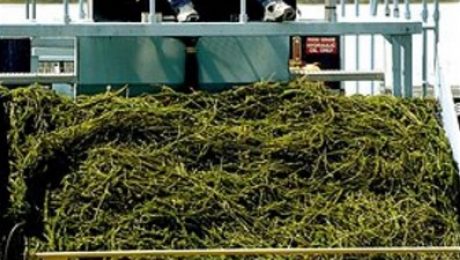
Thick mat of algae and weeds coming on board weed harvester
An aquatic weed harvester was used to remove macroalgae from Georgica Pond in New York from 2016 through 2018 and on a limited basis last year, an effort to inhibit harmful algal blooms, including toxic cyanobacteria, or blue-green algae. Approval has just been granted for the the mechanical harvester to be operated from June to
aquatic plant harvesterblue-green algaecyanobacteriageorgica pondharmful algal bloomsmacroalgaemechanical harvestingNew Yorknutrient removalphosphoruswater qualityweed harvesting

Aquatic Weed Harvesting Helps Reduce Toxic Algae in Georgica Pond

  • 0
/ Published in Algae & Harmful Algal Blooms, Blog
Aquatic Weed Harvester Helps to Restore Pond
Efforts to restore Georgica Pond are proving to be successful thanks in part to the help of an aquatic weed harvester. Georgica Pond has been invaded by toxic cyanobacteria, or blue-green algae, in recent years, which can cause serious health problems.  For the second consecutive year, the foundation has leased an aquatic weed harvester to
aquatic weed harvesterblue-green algaecyanobacteriageorgica pondharmful algal bloomslake managementnitrogen removalnutrient reductionphosphorus removalwater quality improvement

Blue-Green Algae Blooms and Their Impact on Lakes and Wildlife

  • 0
/ Published in Algae & Harmful Algal Blooms, Blog
Toxic Blue-Green Algae
Blue-green algae, technically known as cyanobacteria, are microscopic organisms that are naturally present in lakes and streams.  Typically present at low number, blue-green algae can quickly become abundant in warm, shallow, undisturbed surface water rich in nutrients like phosphorous and nitrogen. Some blue-green algae produce toxins that could pose a health risk to people and
algae toxinsblue-green algaecyanobacteriafish habitat lossharmful algal bloomslake algae bloomslake ecosystem healthnutrient pollutionphosphorous pollutionwater quality issues
TOP