(262) 392-2162 | info@aquarius-systems.com
  • Contact Us
  • Resources
  • Careers

Aquarius-Systems

  • Home
  • Equipment
    Weed Harvesters
    Aquatic Excavators
    Canal Cleaners
    Vegetation Shredders
    Trash Skimmers
    Transport Barges
    Trailers
    Offloading Conveyors
  • Service
    Parts & Service
    Equipment Manuals
    Safety Guide
  • About Us
  • Media
  • Latest
  • Quote
/ Published in Algae & Harmful Algal Blooms, Aquatic Invasive Species

Zebra Mussels Can Increase Microcystis Harmful Algal Blooms

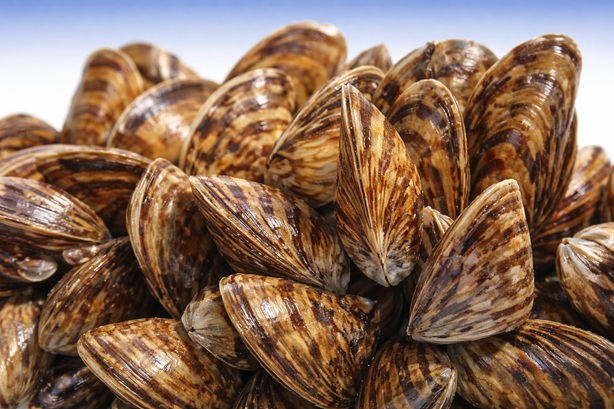
Invasive Zebra Mussels

While invasive zebra mussels consume small plant-like organisms called phytoplankton, Michigan State University researchers discovered during a long-term study that zebra mussels can actually increase Microcystis, a type of phytoplankton known as “blue-green algae” or cyanobacteria, that forms harmful floating blooms.

Zebra mussels can filter out the Microcystis with other particles, but then they spit out the Microcystis because evidently it is unpalatable to them. The researchers suspected the zebra mussels were consuming competitors of Microcystis, which paved the way for the cyanobacteria to flourish under lower nutrient availability than it usually needs.

Read More

Tagged under: blue-green algae, cyanobacteria, great lakes, harmful algal blooms, invasive species, Microcystis, nutrient levels, phytoplankton, water quality, zebra mussels
TOP