
Lake & Waterway Management focuses on the practices and strategies that keep lakes, rivers, and wetlands healthy. Topics include lake health, ecosystem balance, climate change impacts, shoreline restoration, fish populations, and sustainable management techniques that protect water resources for the future.


Rotting lake weed and dead fish are causing a strong odor along Rotorua’s lakefront as a 70-tonne-per-day clean-up continues. Businesses report guests are complaining or staying away, highlighting the impact on the city’s reputation. The piles of weed surfaced two weeks ago after strong winds disturbed the lakebed. The Bay of Plenty Regional Council began

Lakes across the country are struggling with harmful algal blooms, low oxygen, and declining fish populations. While these problems are often obvious at the surface, many management practices are based on misconceptions that don’t address the real causes. Instead of solving the issue, they often make lakes even sicker. Chemical Treatments: A

Residents around Indian Lake in Worcester, Massachusetts, are raising concerns after a spike in fish deaths following the recent application of aquatic herbicides. These chemicals, intended to control the spread of invasive weeds, work by killing the plants outright. But once the plants die, they begin to decompose in the water—a process that consumes dissolved

Following a chemical treatment aimed at controlling aquatic vegetation in Port St. Lucie’s Elkhorn Canal, residents reported what they called the “worst smell in the entire world” as countless fish perished on the canal’s surface. Water tests revealed that dissolved oxygen levels plunged to levels unsustainable for aquatic life—an unintended but severe consequence of the
In June 2024, a chemical herbicide application in Florida’s Elkcam Waterway resulted in a catastrophic fish kill. Within 24 hours, residents reported fish gasping at the surface, and by the end of the week, thousands of dead fish had washed up along the banks. This devastating incident underscores the dangers of using chemicals to manage

Milwaukee, a city steeped in history and industry, is emerging as a global leader in addressing one of humanity’s most pressing challenges: water. As the world faces growing concerns over water scarcity, contamination, and climate resilience, Milwaukee has positioned itself at the forefront of innovative solutions. Through strategic investments, world-class institutions, and a commitment to
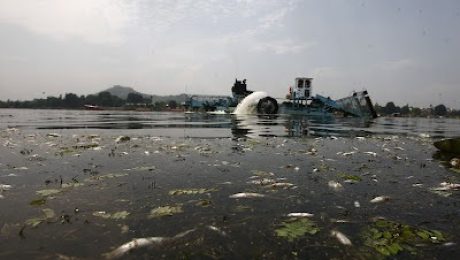
The Minnesota Pollution Control Agency released new information regarding its ongoing efforts to determine what caused a massive fish kill in Duluth’s Tischer Creek in August. MPCA Communications Specialist Beverly Godfrey says the city of Duluth drained an estimated 1.7 million gallons of chloraminated water into the creek from the Woodland Reservoir over a 15-hour

The deepest natural inland lake in Wisconsin is the latest to take up the issue of wake boating. A wake boating advisory has been issued by the municipalities that surround Green Lake. Wake boats have special tanks allowing them to create larger wakes than other boats. The advisory asks wake boaters to operate in wake
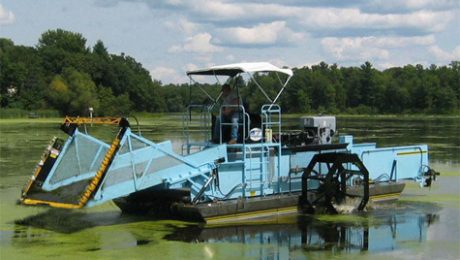
The strategy of the Apple River Protection and Rehabilitation District was to remove as much of the curly leaf pondweed as possible early, then systematically move up and down the Flowage keeping the main navigation channel clear plus providing access channels to the resident along the shoreline whenever practical. Operating under the strict rules of