(262) 392-2162 | info@aquarius-systems.com
  • Contact Us
  • Resources
  • Careers

Aquarius-Systems

  • Home
  • Equipment
    Weed Harvesters
    Aquatic Excavators
    Canal Cleaners
    Vegetation Shredders
    Trash Skimmers
    Transport Barges
    Trailers
    Offloading Conveyors
  • Service
    Parts & Service
    Equipment Manuals
    Safety Guide
  • About Us
  • Media
  • Latest
  • Quote

Lake & Waterway Management focuses on the practices and strategies that keep lakes, rivers, and wetlands healthy. Topics include lake health, ecosystem balance, climate change impacts, shoreline restoration, fish populations, and sustainable management techniques that protect water resources for the future.

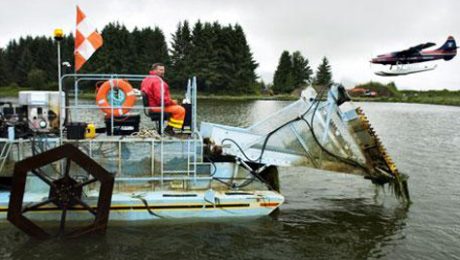
Elodea Spread in Alaska Raises Concern for Fish Habitat

  • 0
/ Published in Aquatic Invasive Species, Lake & Waterway Management
EH-220 harvesting aquatic weeds in Alaska
Two species of elodea have been found recently in a handful of lakes and sloughs in Alaska. While native in some of the lower 48 states, these species are the first invasive aquatic weeds in Alaska. A big concern is how the alien weed will degrade fish habitat for species such as salmon, trout and
Alaska aquatic invasive weedsaquatic invasive species preventionelodea Alaskafloatplane spread invasive speciesinvasive aquatic plants AlaskaMartin Lake Alaska elodeasalmon habitat invasive plants

Hydrilla Returns to Wallace Lake Prompting New Control Efforts

  • 0
/ Published in Aquatic Invasive Species, Lake & Waterway Management
Native to Africa and believed to have been introduced to American waters from the aquarium trade in the 1960’s, hydrilla has quickly spread across the southern U.S. from Connecticut to California.
The highly invasive species, hydrilla has shown up on once again in Wallace Lake, Cleveland Ohio. Due to its ability to grow and spread rapidly aggressive control efforts to eradicate the aquatic plant before it becomes widespread are being taken. First discovered last summer, it was the first of its kind in northern Ohio. Aquatic
aquatic herbicide treatment lakesboating restrictions invasive plantshydrilla eradication effortshydrilla invasive plantMetroparks lake managementOhio aquatic invasive speciesWallace Lake Ohio

Massive Declines in Crooked River Fish Populations

  • 0
/ Published in Lake & Waterway Management, Recreation & Fisheries
Trout Fishing on the Milwaukee River
The 2016 Oregon Department of Fish and Wildlife annual electro shocking survey of fish populations in the upper Wild & Scenic section of the Crooked River revealed that, during the past year, the wild redband trout population suffered a catastrophic 86.4 percent reduction in numbers while the native mountain whitefish mortality was an alarming 45.3
fish populationwater management

After Milfoil Control, Curly-Leaf Pondweed Invades Lake Sunnyside

  • 0
/ Published in Aquatic Invasive Species, Lake & Waterway Management
urly-leaf pondweed is a rooted, submersed aquatic plant
The war against milfoil in Lake Sunnyside, New York has largely been won — but at the cost of leaving the lake vulnerable to invasion from another plant. Now, curly-leaf pondweed is taking over the lake, and stewards must fight that one too. The problem was that milfoil occupied nearly all of the shoreline, the
aquatic herbicide impactsaquatic plant managementcurly-leaf pondweed invasionEurasian milfoil controlfish habitat loss lakesinvasive aquatic plantsLake Sunnyside New Yorklake weed management

Are Fish Populations affected by Chemical Treatments?

  • 0
/ Published in Aquatic Herbicides, Lake & Waterway Management, Recreation & Fisheries, Water Quality & Pollution
Fisherman Catching Bass Hiding in Hydrilla.
David Tyler, publisher of the Cazenovia Republican in Cazenovia New York appreciates and applauds the efforts of the Cazenovia Lake Association and the Lake Watershed Council in their efforts to maintain the health of the lake. With that said, he questions the effect of herbicide treatments on the size and number of fishing being caught.
fish killfishkill

Algae Treatment Leads to Massive Fish Kill in Lake Isabella

  • 0
/ Published in Algae & Harmful Algal Blooms, Lake & Waterway Management, Water Quality & Pollution
Toxic algae blooms pose a risk to humans and wildlife.
Lake Isabella has experienced a significant “fish kill” due to low oxygen levels following treatment of an extremely high blue-green algae presence. When the heavy bloom was noted a recommendation was made to close the lake to swimming and boaters and a company was hired to treat the lake with a chemical called SeClear. The
Algae bloomfish killfishkill

Natural Vegetation on the Lakeshore Enhances Fish and Wildlife Habitat

  • 0
/ Published in Aquatic Plant Management, Lake & Waterway Management
Natural Shorelines Help Filter Pollutants
Keeping your shoreline healthy is vital to the overall health of the lake. One of the biggest factors in the health of the shoreline is the plants that live on the land along the shoreline, as well as the submerged plants that live near the shoreline. Plants on the shoreline or submerged in the water
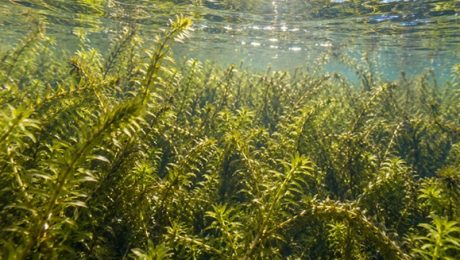
lakeshoreshorelinesubmerged vegetation

Elodea Invasion Threatens Alaska’s Sand Lake Waterways

  • 0
/ Published in Aquatic Invasive Species, Lake & Waterway Management
Invasive elodea displaces native aquatic vegetation.
Residents watched as the water on Sand Lake steadily turned greener. Weeds wrapped around rudders of float plants and choked the canal area. The bottom of the lake eventually vanished from view as Alaska’s first know submerged invasive aquatic plant, elodea reared its ugly head. Ecologists warn that the plant, known for its dense growth
Alaska aquatic invasive specieselodea dense growth lakeselodea invasive plantfloatplane waterways Alaskainvasive aquatic plants Alaskalake navigation weeds AlaskaSand Lake Alaska

Rush Lake Restoration Still a Work in Progress

  • 0
/ Published in Lake & Waterway Management
AVC-101 opening water bodies in Nigeria
Rush Lake, despite its massive 3,070 acre territory, is a lake in name only. Rather, it is the largest “Prairie Pothole marsh” east of the Mississippi River and second largest in the United States. Though it is not considered an actual lake, it still produces a fair amount of northern pike and perch along with
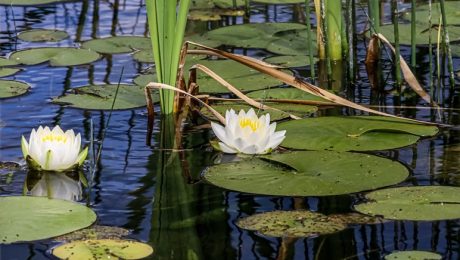
Restoring Native Aquatic Vegetation in Lake Conroe

  • 0
/ Published in Lake & Waterway Management, Recreation & Fisheries
Triploid Grass Carp
Lake Conroe has a volatile history of aquatic vegetation management. Hydrilla infested the reservoir soon after the reservoir filled, resulting in coverage of approximately 10,000 acres by the early 1980’s. To control hydrilla, large numbers diploid grass carp were stocked. Grass carp not only controlled hydrilla, but also eliminated most other aquatic vegetation in the
aquatic vegetation restorationfish habitat restoration lakesgrass carp vegetation controlhydrilla Lake ConroeLake Conroe Texasnative aquatic plant restorationTexas Parks and Wildlife lake management
  • 1
  • 2
  • 3
  • 4
  • 5
TOP