
Lake & Waterway Management focuses on the practices and strategies that keep lakes, rivers, and wetlands healthy. Topics include lake health, ecosystem balance, climate change impacts, shoreline restoration, fish populations, and sustainable management techniques that protect water resources for the future.


Following reports of hundreds of dead fish floating in Bayou Rouge in Cottonport, Louisiana, the Louisiana Department of Wildlife and Fisheries (LDWF) conducted an investigation to find out what caused the fish kill. Officials determined that that fish died from a low dissolved oxygen level in the water, basically suffocating the fish. The low dissolved
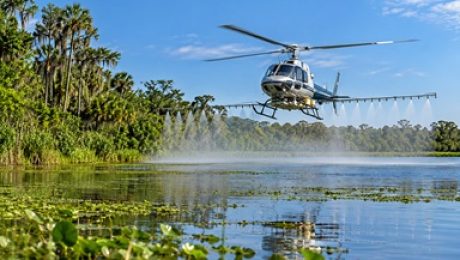
On any given day, helicopters and an armada of airboats fan out across Florida’s fresh waters to spray tank after tank of poison. Pouring millions of gallons of herbicide into rivers and lakes to kill the weeds. What started as sensible navigation and flood control has turned into a million-dollar-a-month chemical addiction that is killing
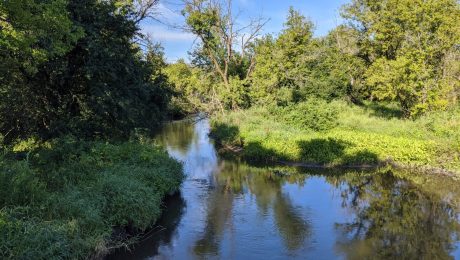
Environment and Water Ministry secretary-general Datuk Seri Zaini Ujang said that the cleaner rivers in the Klang Valley was due to less human interference such as industrial waste and construction works, which contributes to murkey grey waters and general pollution. Globally, countries have seen their waterways clear up and native animals return as human activity
Lakes provide many benefits and services, from recreational opportunities to irrigation to aesthetic enjoyment. In order to maintain the ecological quality of their lake, as well as enhance its economic and recreational benefits, lakeshore residents can organize to form lake associations. In theory, lake association sustainability has a direct and positive effect on lake sustainability,
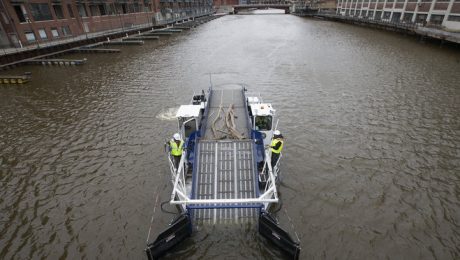
During the 20th century, Milwaukee, Wisconsin, became a hub of human activity and commerce. Toxic chemicals, discarded animal hides, meatpacking offal and other waste were dumped into the connected Milwaukee, Menomonee and Kinnickinnic rivers with abandon, not to mention municipal sewage. Now a coalition of government entities and advocates is launching an ambitious project to
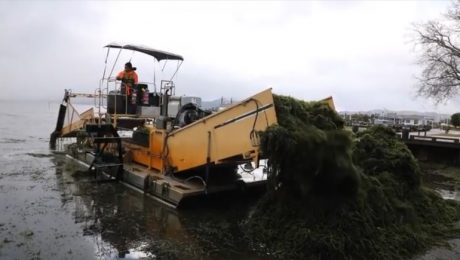
The Department of Natural Resources has completed a Strategic Analysis of Aquatic Plant Management (APM) in Wisconsin, summarizing current information on APM and potential management alternatives. The Strategic Analysis report [PDF] will help inform decision-makers and the public about this topic and aid in the development of future APM policy. While aquatic plants are a

A new study maps the potential of wetlands – an ecosystem flooded with water and supporting a vegetation of aquatic plants – to improve water quality. Through the study, the researchers claim that regrowing wetlands can act as a key strategy for improving water that is laden with contaminants like nitrate. Nitrates reach groundwater, rivers,

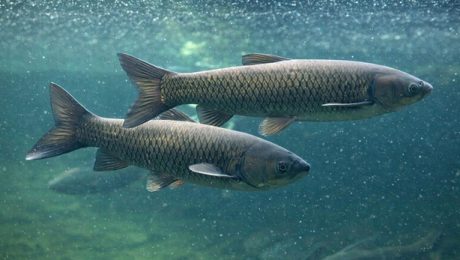
In southwest Minnesota, the Okabena-Ocheda Watershed District is tagging and tracking carp in an effort to find out where they congregate in the winter. The data is hoped to reveal the potential for a wintertime seining event. Lake Okabena has two to three times more carp than a healthy lake should have. It’s been determined
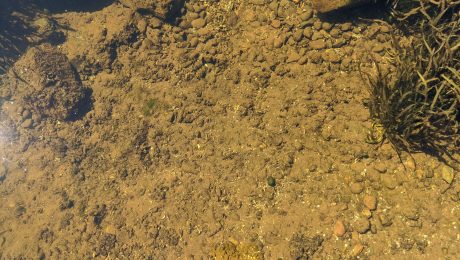
For 18 years, ecologist Robert Johnson has filed reports on Chautauqua Lake in dry, analytical language, logging the number and density of plant species in the shallow lake bed. Lakes are political, Johnson knew, and he didn’t want to squabble with local officials or residents over how they managed the plants. But late last summer,