
Aquatic herbicides, including chemicals like glyphosate, are commonly used to control invasive plants, but they can harm ecosystems, wildlife, and water quality. Learn about the risks and alternatives for managing aquatic vegetation safely.

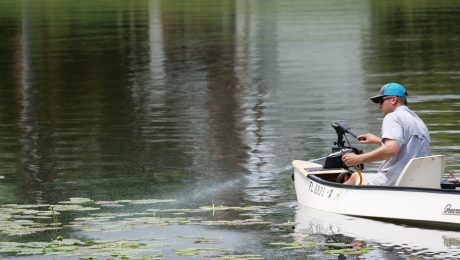
The use of chemical herbicides to control invasive aquatic vegetation in Florida’s Lake Okeechobee is raising questions about potential impacts on drinking water. The lake serves as the primary drinking water source for customers of the Okeechobee Utility Authority, yet herbicides are routinely applied to manage invasive plants. According to a Lake Okeechobee News investigation,
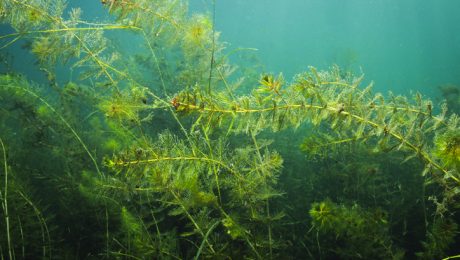
Eurasian watermilfoil is one of the most widespread and challenging aquatic invasive plants found in lakes and waterways across North America. This submerged aquatic plant grows rapidly, forming dense underwater stands and thick surface canopies that can interfere with boating, fishing, swimming, and other recreational activities. In many water bodies, invasive milfoil can also outcompete

A recent article in The New York Times detailed the retraction of a once-prominent study that supported the safety of glyphosate, the active ingredient in Roundup. The paper had been cited for years as evidence that the herbicide posed minimal risk. But after concerns were raised about conflicts of interest and the integrity of the

In 2023, invasive quagga mussels were discovered in the Snake River near Twin Falls, Idaho. To stop the spread, officials carried out a large-scale chemical treatment using copper-based products. Two years later, the results show just how much damage these treatments can cause—and how little success they’ve had in eliminating the mussels. Chemical Treatments: Lethal

Residents around Indian Lake in Worcester, Massachusetts, are raising concerns after a spike in fish deaths following the recent application of aquatic herbicides. These chemicals, intended to control the spread of invasive weeds, work by killing the plants outright. But once the plants die, they begin to decompose in the water—a process that consumes dissolved
In June 2024, a chemical herbicide application in Florida’s Elkcam Waterway resulted in a catastrophic fish kill. Within 24 hours, residents reported fish gasping at the surface, and by the end of the week, thousands of dead fish had washed up along the banks. This devastating incident underscores the dangers of using chemicals to manage
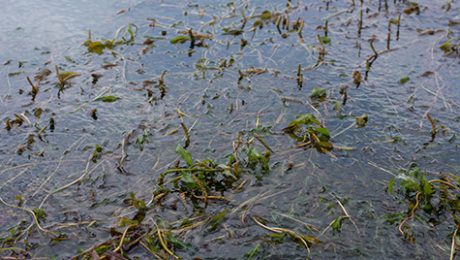
Hydrilla, a non-native aquatic plant, has been labeled one of the world’s most invasive species. While it can dominate shallow, warm waters in places like Florida, its threat in deep, cold lakes such as those in New York is far less clear. Nevertheless, aggressive chemical eradication campaigns have been launched across the state, including in

At first glance, using herbicides to control aquatic weeds might seem like an efficient solution. But emerging science shows that these chemicals often come with serious unintended consequences for the environment. A recent report from Beyond Pesticides reveals that a new class of herbicides containing florpyrauxifen-benzyl (FPX) —designed to mimic natural hormones—may be threatening non-target
Water hyacinth, one of the most invasive aquatic plants, poses serious threats to waterbodies across India, including Pashan Lake in Pune and Powai Lake in Mumbai. As municipal authorities struggle to manage these infestations, the use of herbicides such as glyphosate is being considered as a cheaper and quicker solution. However, applying glyphosate to control

The Okanagan Basin Water Board (OBWB) is raising concerns over the use of two newly registered aquatic chemicals in British Columbia—ProcellaCOR FX, an herbicide for invasive weed control, and a potash-based water treatment chemical. The OBWB strongly opposes the application of these or any other chemicals in Okanagan waters, citing risks to drinking water safety.