(262) 392-2162 | info@aquarius-systems.com
  • Contact Us
  • Resources
  • Careers

Aquarius-Systems

  • Home
  • Equipment
    Weed Harvesters
    Aquatic Excavators
    Canal Cleaners
    Vegetation Shredders
    Trash Skimmers
    Transport Barges
    Trailers
    Offloading Conveyors
  • Service
    Parts & Service
    Equipment Manuals
    Safety Guide
  • About Us
  • Media
  • Latest
  • Quote

Glyphosate Risks in Water Hyacinth Control Highlight Concerns

  • 0
/ Published in Aquatic Herbicides, Aquatic Invasive Species
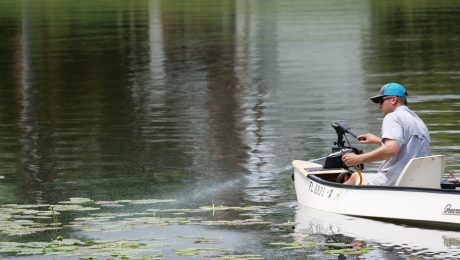
Applying aquatic herbicides to kill lake weeds.
Water hyacinth, one of the most invasive aquatic plants, poses serious threats to waterbodies across India, including Pashan Lake in Pune and Powai Lake in Mumbai. As municipal authorities struggle to manage these infestations, the use of herbicides such as glyphosate is being considered as a cheaper and quicker solution. However, applying glyphosate to control
AMPAaquatic ecosystemsaquatic herbicidesbiological controlglyphosateIndia lakesinvasive species controlmechanical removalwater hyacinthwater pollution

Salvinia Threat Emerges in Lake Victoria Waters

  • 0
/ Published in Aquatic Invasive Species, Water Quality & Pollution
Aquatic Weed Harvester Cutting Water Hyacinth
A new invasive type of water hyacinth, Salvinia spp., has been discovered in Lake Victoria. It reproduces rapidly, doubling its biomass within 8 days due to high nutrient levels caused by human activities such as improper waste disposal and deforestation. Over 36 tons have already been removed, but the plant continues to spread, threatening fish
aquatic ecosystemsaquatic invasive speciesinvasive aquatic plantslake managementLake Victorianutrient pollutionoxygen depletionsalviniawater hyacinthwater quality

Lake Killarney Restoration Removes One Million Pounds of Weeds

  • 0
/ Published in Aquatic Plant Management
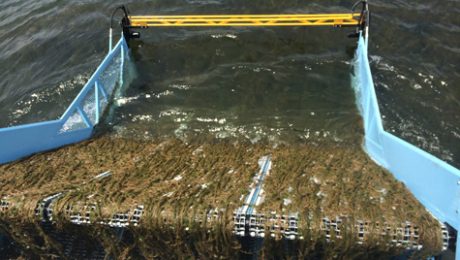
Like an underwater lawnmower, an aquatic weed harvester cuts the vegetation.
Lake Killarney in northeast Tallahassee is undergoing its first major cleanup in decades, addressing years of overgrowth that made the waterway inaccessible for residents. Using a specialized aquatic weed harvester, over one million pounds of invasive vegetation were removed in just one week, with more progress to come. The cleanup effort aimed to improve water
algae preventionaquatic ecosystemsaquatic weed harvesterinvasive vegetation removalLake Killarneylake managementlake restorationmechanical harvestingTallahassee Floridawater quality improvement

Harvesting Improves Lake Habitat and Navigation

  • 0
/ Published in Aquatic Plant Management, Case Studies
Mats of aquatic vegetation coming on board the Weed Harvester.
An aquatic plant harvester has been used to scoop up the floating islands of vegetation that have built up on the lake for decades. The process will make the lake easier to navigate for fishermen and other boaters, and should improve the fishing there as well, state experts say. “It will improve the habitat of
aquatic ecosystemsaquatic weed harvestingfish habitat improvementfloating vegetationlake habitatlake managementmechanical harvestingpreventative maintenancewaterway navigationwildlife habitat

A Goldfish Explosion in Hamilton Harbour Stresses the Ecosystem

  • 0
/ Published in Aquatic Invasive Species, Recreation & Fisheries
Released Goldfish contribute to poor water quality.
The water of Hamilton Harbour in Ontario, Canada, has been used and abused over the decades, as sewage water and industrial by-products have flowed into the port since the 1800s with devastating consequences for the harbor’s flora and fauna. Today, treated sewage water, which isn’t fully cleansed of algae-causing nutrients, is still released into the
aquatic ecosystemsgoldfishwater quality

Water Chestnut Spreads in New York and Harms Aquatic Ecosystems and Recreation

  • 0
/ Published in Aquatic Invasive Species
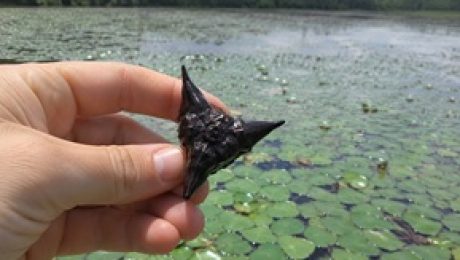
Invasive Water Chestnut forms dense mats that displace native species and interfere with recreational activities.
Trapa natans is native to Western Europe and Africa and northeast Asia, including eastern Russia, China, and southeast Asia to Indonesia. Trapa natans was first introduced to North America in the mid- to late-1870s, when it is known to have been introduced into the Cambridge botanical garden at Harvard University around 1877. A decade later
aquatic ecosystemsaquatic invasive speciesboating accessdissolved oxygenfish habitatHudson Riverinvasive aquatic plantsNew York lakesrecreation impactssurface matsTrapa natanswater chestnut

Phosphorus Loss From Farm Soil Can Harm Wetlands and Water Quality

  • 0
/ Published in Resources, Water Quality & Pollution
Over Abundance of Aquatic Plants
Phosphorus-enriched soil is very much essential for agricultural purposes. But the current alarming fact is, this nutrient is increasingly being lost from soils all around the world. This mineral is one of the vital factors for the world’s food production and there isn’t an unlimited supply of this from the soil. Phosphorus in the soil
agricultural runoffaquatic ecosystemseutrophicationfertilizer runoffnutrient pollutionphosphorusphosphorus losssoil erosionwater qualitywetlands

Activists Push to Ban Glyphosate for Water Hyacinth Control

  • 0
/ Published in Aquatic Herbicides, Water Quality & Pollution
Free-floating aquatic plant, water hyacinth.
Environmentalists and activists from the city on Pune, India have urged the Central Pollution Control Board and Maharashtra Pollution Control Board to ban the use of glyphosate for use on water hyacinth in water bodies due to its dangerous impact on human health and aquatic life. Glyphosate has been linked to probable carcinogenicity, endocrine disruption,
aquatic ecosystemsaquatic herbicidesenvironmental healthglyphosategroundwater contaminationherbicide banhuman health risksIndia water pollutioninvasive species controlwater hyacinth

Atrazine, Frogs, and the Scientist Challenging a Widely Used Herbicide

  • 0
/ Published in Blog, Water Quality & Pollution
Dr. Tyrone Hayes
Attending the Wisconsin Lakes Partnership convention is an annual event that Aquarius Systems looks forward to every year. We enjoy seeing old friends, meeting new friends; customers, DNR agents and academics. This year’s event featured a speaker that has literally made headlines, although not always in a good way. Dr. Tyrone Hayes of the University
agricultural runoffaquatic ecosystemsatrazinedrinking waterendocrine disruptorsenvironmental healthfrogsherbicidespesticideswater pollutionWisconsin Lakes Partnership

Road Salt Keeps Roads Safe but Pollutes Waterways and Drinking Water

  • 0
/ Published in Blog, Water Quality & Pollution
Spreading Salt on Snow Covered Roadways
Countries around the world experience extended periods of snow and ice.  In order to combat the icy road conditions crews spread road salt on sidewalks and roadways.  Salt was first used in the United States on an experimental basis in New Hampshire in 1938.  By the winter of 1941-1942, 5,000 tons of salt was spread
aquatic ecosystemschloride contaminationdeicing chemicalsdrinking watergroundwaterroad saltstormwater runoffwater pollutionwinter maintenancewinter safety
TOP