


A recent article in The New York Times detailed the retraction of a once-prominent study that supported the safety of glyphosate, the active ingredient in Roundup. The paper had been cited for years as evidence that the herbicide posed minimal risk. But after concerns were raised about conflicts of interest and the integrity of the
Water hyacinth, one of the most invasive aquatic plants, poses serious threats to waterbodies across India, including Pashan Lake in Pune and Powai Lake in Mumbai. As municipal authorities struggle to manage these infestations, the use of herbicides such as glyphosate is being considered as a cheaper and quicker solution. However, applying glyphosate to control
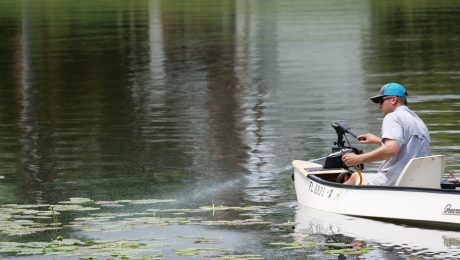
Clay Township Michigan residents vote against a broad-spectrum weed killer as part of a scheduled herbicide treatment. The spray of concern was glyphosate, which is a systemic herbicide used to kill weeds that absorbs into an unwanted plant, right down to its roots. Clay Township Supervisor Artie Bryson said the majority of attendees of the

The glyphosate-based herbicide Roundup has been found to trigger the loss of biodiversity among phytoplankton communities in freshwater ponds. In their experiments, scientists found that while some populations developed resistance to the herbicide and were able to survive exposure at high levels, this came at a cost, with a 40 percent loss in biodiversity. The

The Environmental Protection Agency has determined that the endocrine-disrupting pesticide atrazine and cancer-linked pesticide glyphosate are each likely to harm more than 1,000 of the nation’s most endangered plants and animals. These chemical poisons are causing severe harm to imperiled wildlife since U.S. use exceeds 70 million pounds of atrazine and 300 million pounds of
New research out of McGill University in Montreal suggests there is cause for concern regarding the effects of the herbicide glyphosate being sprayed on land near waterways. The new studies found glyphosate puts freshwater ecosystems at risk even when its application meets approved guidelines. “And what we found is … glyphosate concentrations as low as


Phragmites, the 12 feet tall perennial grass that aggressively colonizes and forms dense stands in freshwater wetlands can be eradicated using herbicides, but it takes years of repetition. The glyphosate components in the herbicide stay in the ecosystem which can lead to loss of biodiversity, making them more vulnerable to pollution and climate change. An

In species from alligators to humans, males are being born less frequently than they were before. Environmental experts are examining the link between man-made chemicals and their role as endocrine disruptors. Exposure to phthalates, a common class of petrochemicals, can happen through air, water or food. They are contained in cosmetics, cleaning products and consumer