

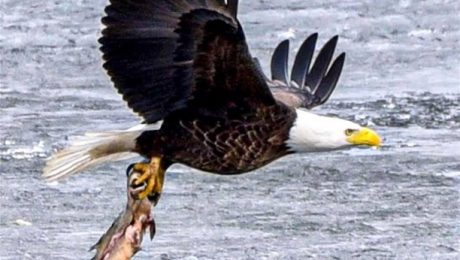
Decades ago several bird species in the Great Lakes—including the iconic bald eagle—faced an uncertain future because toxic chemicals were threatening their populations. While several bans and policies have offered some protection, the same chemicals threatening these birds 60 years ago continue to accumulate in their bodies—and new chemical threats are adding to their toxic

Biologists in Cornwall have found that chemicals released in the ocean from plastic can lead to deformities in marine animals. The study by biologists from the Centre for Ecology and Conservation on Exeter’s Penryn Campus found that plastics in the ocean can release chemicals that cause deformities in sea urchin larvae. Read More

In species from alligators to humans, males are being born less frequently than they were before. Environmental experts are examining the link between man-made chemicals and their role as endocrine disruptors. Exposure to phthalates, a common class of petrochemicals, can happen through air, water or food. They are contained in cosmetics, cleaning products and consumer