(262) 392-2162 | info@aquarius-systems.com
  • Contact Us
  • Resources
  • Careers

Aquarius-Systems

  • Home
  • Equipment
    Weed Harvesters
    Aquatic Excavators
    Canal Cleaners
    Vegetation Shredders
    Trash Skimmers
    Transport Barges
    Trailers
    Offloading Conveyors
  • Service
    Parts & Service
    Equipment Manuals
    Safety Guide
  • About Us
  • Media
  • Latest
  • Quote

Glyphosate Risks in Water Hyacinth Control Highlight Concerns

  • 0
/ Published in Aquatic Herbicides, Aquatic Invasive Species
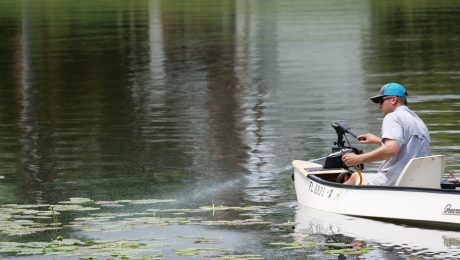
Applying aquatic herbicides to kill lake weeds.
Water hyacinth, one of the most invasive aquatic plants, poses serious threats to waterbodies across India, including Pashan Lake in Pune and Powai Lake in Mumbai. As municipal authorities struggle to manage these infestations, the use of herbicides such as glyphosate is being considered as a cheaper and quicker solution. However, applying glyphosate to control
AMPAaquatic ecosystemsaquatic herbicidesbiological controlglyphosateIndia lakesinvasive species controlmechanical removalwater hyacinthwater pollution

June 2018 Newsletter

  • 0
/ Published in Newsletter
Trash Hunter Cleaning up Kentucky Lakes Compost: An Effective Water Filter Waters Around East Hampton Mostly Healthy Crews Begin Process of Cleaning Up Fishtrap Lake Weevils Enlisted in War against Water Weed Read More
aquatic invasive speciesbiological controllake managementRestorationwater quality

Salvinia Minima Spreads in South Africa After Water Hyacinth Control

  • 0
/ Published in Aquatic Invasive Species, Water Quality & Pollution
Invasive Aquatic Weed Salvinia
Hartbeespoort Dam in South Africa has a new invasive aquatic weed to battle, Salvinia minima. The proliferation of common salvinia, just as water hyacinth came under biological control through the combined efforts is no coincidence. In areas that experience high levels of nutrient inflow (pollution), the control of one aquatic weed opens resources to other
aquatic invasive speciesbiological controlcommon salviniaeutrophicationHartbeespoort Daminvasive aquatic plantslake managementnutrient pollutionsalvinia minimasecondary invasionSouth Africawater hyacinth

USACE Uses GPS Tracking to Improve Transparency of Aquatic Herbicide Applications

  • 0
/ Published in Aquatic Herbicides, Lake & Waterway Management
Spraying herbicides on aquatic plants.
In order to stop the destruction of infrastructure by aquatic invasive species, USACE and its partners are using three methods of management: biological, mechanical, and chemical.   Each process varies in its effectiveness depending on the species of aquatic plant being treated – leaving the team to rely heavily on data to determine the best method
aquatic herbicidesaquatic invasive speciesbiological controlchemical treatmentcontractor oversightGPS trackingherbicide applicationinvasive aquatic plantslake managementmechanical harvestingspray trackingUSACEwater resources

The American Hippo Bill and Water Hyacinth Control Efforts

  • 0
/ Published in Aquatic Invasive Species
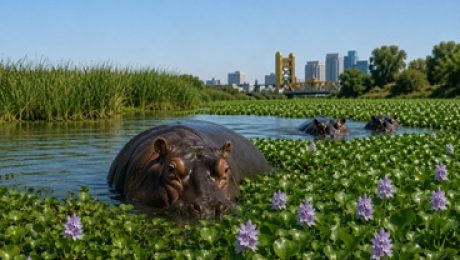
United States to Import Hippos to Control Hyacinth
In 1909, the United States was suffering a shortage of meat. At the same time, Louisiana’s waterways were being choked by invasive water hyacinth. The solution seemed to be simple, the American Hippo Bill.  Hippos could be imported to the United States to eat the water hyacinth and people can eat the hippos. The bill
American Hippo Billaquatic plant controlbiological controlcapybarasDelta waterwayshippos invasive plantsinvasive species historylake managementmanateeswater hyacinth
TOP