

Haven Lake located in the State of Washington is facing the same problem many lakes nationwide are facing. Well of course aquatic vegetation, but it is the controversy surrounding the vegetation that is causing problems. A fierce battle is ongoing over the use of chemicals to kill the aquatic plants. Some argue that chemicals are
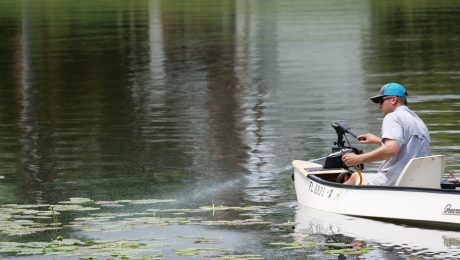
State officials say they’re investigating the chemical treatment of an Allegan County lake after the reported deaths of a dog and wildlife. The state-issued permit allowed the contractor to use copper sulfate, flumioxazin and diquat dibromide along the shore of seven properties to control aquatic plants and algae on Dumont Lake, located about five miles

Water hyacinth has been on the Delta for decades, but really exploded in 2011 and 2012 as officials were not able to obtain a permit to spray chemicals in a timely fashion. Efforts to control hyacinth in the Deltas focuses primarily on the use of chemical herbicide applications. Officials aggressively spray chemicals; a prepared document

A heat wave combined with a chemical treatment for weeds proved to be deadly to some fish in Bon Aire Lake, according to the executive director of Merrillville Stormwater Utility. Matt Lake said about 100 fish died recently in an isolated incident in the 21-acre lake when the heat index rose to 110 degrees the

To clean up the pollution in Jordan Lake, North Carolina lawmakers have tried arguing. They’ve tried SolarBees. They’ve even tried ignoring the problem. All those tactics have failed. Now state officials are examining a potential chemical treatment for the lake — yet another experiment on a vital drinking water source for more than 350,000 people.

The Chautauqua Lake Association (CLA) says it has filed objections to a permit applications that would allow for the application of two powerful herbicides to 1,200 acres of Chautauqua Lake this coming summer. The CLA in New York is the organization that helps manage weeds on the lake by operating a number of harvesters to

Colorado Parks and Wildlife is investigating Johnstown officials after their attempt to treat an algae outbreak left nearly 1,000 fish dead. The Greeley Tribune reports that Parks and Wildlife spokeswoman Jennifer Churchill says a worker put a copper sulfate into the town’s reservoir this summer to treat the algae. She says chemical ended up suffocating

Lake managers might be hurting native aquatic plants – instead of helping them – when they use chemicals to control invasive plants on entire lakes. New research by Wisconsin DNR Lakes and River Team Leader Dr. Alison Mikulyuk shows native plant communities can struggle when chemicals are used to target invasive Eurasian watermilfoil. It appears
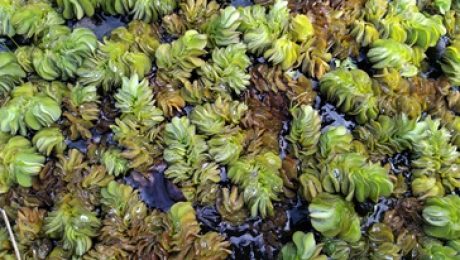
In July, the last known patches of Giant Salvinia, an invasive and aggressive aquatic plant at the Barnett Reservoir in Mississippi, were eliminated. The vegetation was treated with multiple chemicals and then removed, but after six months of Giant Salvinia being absent from the lake, the cleanup team discovered the unwelcomed guest. Apparently a stray
In order to stop the destruction of infrastructure by aquatic invasive species, USACE and its partners are using three methods of management: biological, mechanical, and chemical. Each process varies in its effectiveness depending on the species of aquatic plant being treated – leaving the team to rely heavily on data to determine the best method