


A closer look at how Eurasian milfoil and chemical treatments are harming aquatic life Flint Lake on Valparaiso’s north side is in trouble. Invasive aquatic weeds, especially Eurasian milfoil, have become so overgrown that they’re even interfering with fish population surveys. During a recent Department of Natural Resources (DNR) survey, biologists had to stop two

Created by melting glaciers thousands of years ago, Lake George is 43,471 acres, 32 mile long, up to 2.5 mile wide and up to 200 feet deep. Located at the southern end of the Adirondack Park in Upstate New York, Lake George is the primary driver of regional tourism, generating $2 billion in annual economic

The Future of Conservation A Message From Our Leader: Should We Learn to Live With Invasive Such as Eurasian Milfoil? Data and the Future of Conservation Floating Hyacinth Mats Provide Food Security Upcoming Conferences: Washington State Lake Protection Association 35th Annual Conference Midsouth Aquatic Plant Management Society 41st Annual Conference Upper Midwest Invasive Species 14th
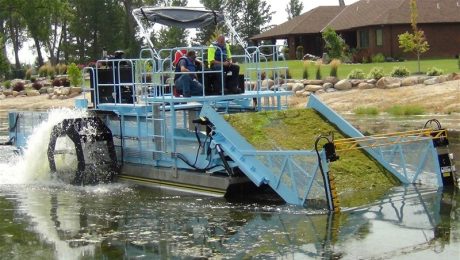
The Cazenovia Town Board’s first meeting of the new year — and with recently elected Councilor Jimmy Golub seated at the table — saw not only the making of annual organizational appointments for the town government, but also the announcement that the town is soliciting bids to potentially purchase a brand new lake weed harvester
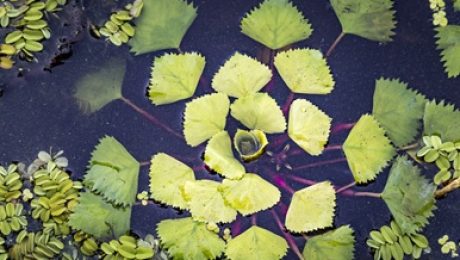
The Charles River Watershed Association and local citizens have obtained funding to conduct large-scale mechanical harvesting to remove roughly 50 acres of water chestnut and other invasive weeds. The Charles River Lakes District in Massachusetts is a popular destination for canoeists, kayakers and rowers, but the pollution from stormwater runoff resulted in an increase in

Lake managers might be hurting native aquatic plants – instead of helping them – when they use chemicals to control invasive plants on entire lakes. New research by Wisconsin DNR Lakes and River Team Leader Dr. Alison Mikulyuk shows native plant communities can struggle when chemicals are used to target invasive Eurasian watermilfoil. It appears
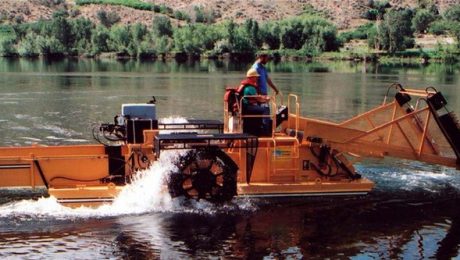
The Okanagan Basin Water Board milfoil program has been so successful over the past five decades. Aquatic weed harvesters used in significant areas with milfoil infestation on Okanagan Lake, British Columbia, Canada are now clear of the invasive plant. Meanwhile, the water board continues to work with the province and environmental consultants to expand existing
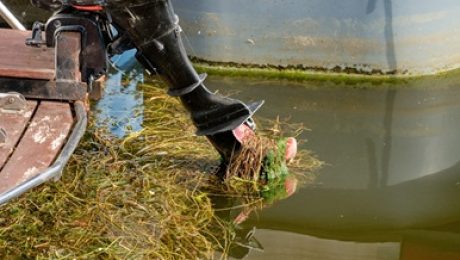
County legislators are considering providing some type of support to a group trying to get rid of the Eurasian milfoil infestation in Black Lake, New York. The milfoil problem is exacerbated when propellers on boats going through the lake chop it up (prop chop) the and spread its seeds. Legislators debated what methods could stop