(262) 392-2162 | info@aquarius-systems.com
  • Contact Us
  • Resources
  • Careers

Aquarius-Systems

  • Home
  • Equipment
    Weed Harvesters
    Aquatic Excavators
    Canal Cleaners
    Vegetation Shredders
    Trash Skimmers
    Transport Barges
    Trailers
    Offloading Conveyors
  • Service
    Parts & Service
    Equipment Manuals
    Safety Guide
  • About Us
  • Media
  • Latest
  • Quote

Chautauqua Lake Harvesting Removes Over 7,700 Tons of Weeds

  • 0
/ Published in Aquatic Plant Management, Case Studies
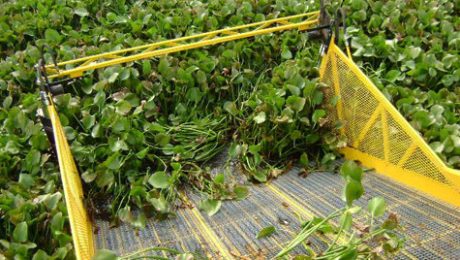
Cutting and collecting water hyacinth
Crews employed by the Chautauqua Lake Association removed 15,584,000 pounds or 7,792 tons of nuisance plant material from the lake this past summer. Also lending a hand were volunteers from Cummins Engine and workers from the county’s Welfare-to-Work Program. Excerpt from Chautauqua Lake Association Newsletter The CLA currently has the equipment, knowledge and manpower to
aquatic plantsaquatic weed harvestingChautauqua Lakedredging vs harvestinglake managementlake restorationmechanical harvestingNew York lakesnuisance vegetationwater quality

Chautauqua Lake Removes 15 Million Pounds of Weeds and Debris

  • 0
/ Published in Aquatic Plant Management, Case Studies
Mechanical weed harvesting removing eel grass.
The Chautauqua Lake Association in New York, announced that over 15 million pounds of aquatic vegetation and storm debris were removed from the lake this summer. Lake cleanup efforts began in May and continued through September. The CLA is managed by an all-volunteer board of directors and funds the organization receives are used to pay
aquatic plantsaquatic vegetation removalChautauqua Lakelake cleanuplake managementmechanical harvestingNew York lakesstorm debrisvolunteer effortswater quality

Water Chestnut Spreads in New York and Harms Aquatic Ecosystems and Recreation

  • 0
/ Published in Aquatic Invasive Species
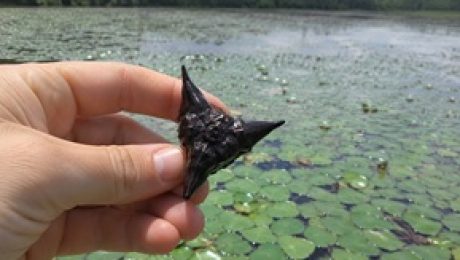
Invasive Water Chestnut forms dense mats that displace native species and interfere with recreational activities.
Trapa natans is native to Western Europe and Africa and northeast Asia, including eastern Russia, China, and southeast Asia to Indonesia. Trapa natans was first introduced to North America in the mid- to late-1870s, when it is known to have been introduced into the Cambridge botanical garden at Harvard University around 1877. A decade later
aquatic ecosystemsaquatic invasive speciesboating accessdissolved oxygenfish habitatHudson Riverinvasive aquatic plantsNew York lakesrecreation impactssurface matsTrapa natanswater chestnut
TOP