

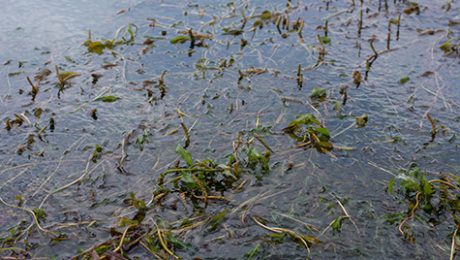
Hydrilla, a non-native aquatic plant, has been labeled one of the world’s most invasive species. While it can dominate shallow, warm waters in places like Florida, its threat in deep, cold lakes such as those in New York is far less clear. Nevertheless, aggressive chemical eradication campaigns have been launched across the state, including in

Lake Waccamaw is infested with hydrilla and officials are hoping fluridone is the answer to killing the invasive aquatic plant. Officials have chosen fluridone because it is supposed to point only hydrilla with no effect on other plants or animal life. The first treatment cycle will cost $196,660 for three applications and will need to
The highly invasive species, hydrilla has shown up on once again in Wallace Lake, Cleveland Ohio. Due to its ability to grow and spread rapidly aggressive control efforts to eradicate the aquatic plant before it becomes widespread are being taken. First discovered last summer, it was the first of its kind in northern Ohio. Aquatic
In 2013, 6,000 sterile grass carp were introduced into Smith Mountain Lake, Virginia, to combat the growth of invasive aquatic vegetation such as hydrilla which has seen a massive growth around the lake. When hydrilla was first discovered at the lake in 2007, a patch of the aquatic weeds were just a few acres in