
Aquatic herbicides, including chemicals like glyphosate, are commonly used to control invasive plants, but they can harm ecosystems, wildlife, and water quality. Learn about the risks and alternatives for managing aquatic vegetation safely.

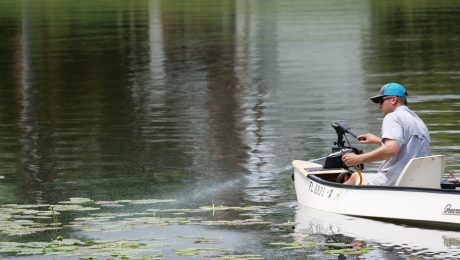
A state investigation into herbicide use at New Orleans’ City Park concluded with inconclusive findings, leaving many resident concerns unaddressed. The Louisiana Department of Agriculture and Forestry (LDAF) criticized the contractor responsible for spraying for failing to provide complete records of chemical quantities and treated areas. The department stated this would lead to enforcement actions

In a move not seen for almost 40 years, the Environmental Protection Agency issued an emergency order suspending all uses of a weedkiller linked to serious health risks for unborn babies. The herbicide dimethyl tetrachloroterephthalate, also known as DCPA or Dacthal, is used on crops such as broccoli, brussels sprouts, cabbage and onions. Fetuses exposed to

Invasive Eurasian water milfoil is flourishing in Wisconsin’s lakes, sometimes outcompeting native plants and creating floating mats that cause problems for people, boats and property values. But new research shows that the benefits of using one type of historical lake-wide herbicide treatment may be outweighed by the costs to native aquatic plants. Lake management teams

Lake Waccamaw is infested with hydrilla and officials are hoping fluridone is the answer to killing the invasive aquatic plant. Officials have chosen fluridone because it is supposed to point only hydrilla with no effect on other plants or animal life. The first treatment cycle will cost $196,660 for three applications and will need to
Clay Township Michigan residents vote against a broad-spectrum weed killer as part of a scheduled herbicide treatment. The spray of concern was glyphosate, which is a systemic herbicide used to kill weeds that absorbs into an unwanted plant, right down to its roots. Clay Township Supervisor Artie Bryson said the majority of attendees of the
While officials admit that glyphosate is only a small part of the problem with algae blooms on Lake Okeechobee in Florida, they do believe that their decision to temporarily suspend the use of aquatic plant killers was a “necessary call.” Glyphosate is widely used in Lake Okeechobee to kill invasive species and leaves deposits of

Florida Fish and Wildlife Conservation Commission, the state’s lead agency for hydrilla control since July 1, 2008 faces a daunting challenge. Not only must the agency manage the spread of hydrilla it must maintain waterways for boating navigation and flood control, but it must also consider the wants of Florida residents. While everyone agrees that
Treasure Coast governments spray more than 100,000 gallons of weed- and bug-killing poisons yearly at sites where the runoff can flow into waterways, but with minimal regulation, there main guideline is “follow the label instructions.” Agencies and manufactures insist the chemicals sprayed in marshes, canals and ditches are safe, but no one tests for residue
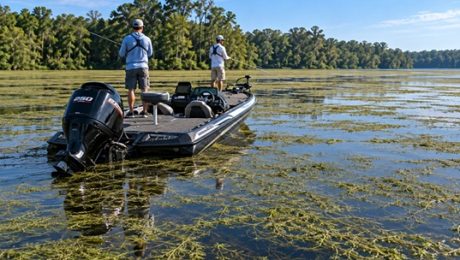
Herbicides, hormone-disrupting chemicals, as well as pathogens and parasites in the water, are the most likely causes for the decade-long decline of prize game fish in the Susquehanna River, a new study by state and federal agencies says. The study by the agency, the Pennsylvania Fish and Boat Commission and six partner agencies is the

During a comprehensive fish survey which included spring, summer and fall netting and electrofishing surveys, Greg Matzke, a fisheries biologist for the Wisconsin DNR discovered that all of the lake’s largemouth bass were older than 5 years of age. After intense sampling last year, only one black crappie was under six years of age and