
Aquatic herbicides, including chemicals like glyphosate, are commonly used to control invasive plants, but they can harm ecosystems, wildlife, and water quality. Learn about the risks and alternatives for managing aquatic vegetation safely.


Chemicals used to attack a dense bed of milfoil in Glen Lake in Queensbury, may have been hurting the lake as well, according to New York Department of Environmental Conservation. The DEC had some concerns that the chemical was affecting the native plant growth and also the fish, who need the plant growth. Fish eat

In a blow to the 400-member Stockbridge Bowl Association, the state has moved to block a test chemical treatment this spring in a portion of the lake. The Department of Environmental Protection on Tuesday rejected an appeal by the association, which was pushing for the use of the herbicide fluridone to combat a weed infestation

A fish kill at Diamond Lake affected about 100 fish of several different species leading to an by the Michigan DNR Fisheries and the Department of Environment and Great Lakes and Energy (EAGLE), formerly known as Department of Environmental Quality (DEQ). Dead fish showed up two days after the lake had been treated with chemicals
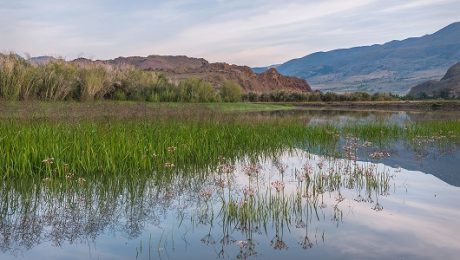
Lake Pend Oreille’s noxious weed problem has worsened over the past six years, as blooms of invasive Butomus umbellatus, or flowering rush, have joined Eurasian milfoil to clog area waterways. The U.S. Army Corps of Engineers enacted targeted herbicide treatments at portions of waterways to control most of the flowering rush. According to the Corps,
Haven Lake located in the State of Washington is facing the same problem many lakes nationwide are facing. Well of course aquatic vegetation, but it is the controversy surrounding the vegetation that is causing problems. A fierce battle is ongoing over the use of chemicals to kill the aquatic plants. Some argue that chemicals are

Water samples taken in late 2013 from the South Relief Canal, which flows into the River Lagoon, in Florida, tested positive for three different herbicides that could compound pollution in the estuary. Sediment samples taken from the mouth of Taylor Creek has also tested positive for a chemical herbicide. After analyzing the samples, traces of
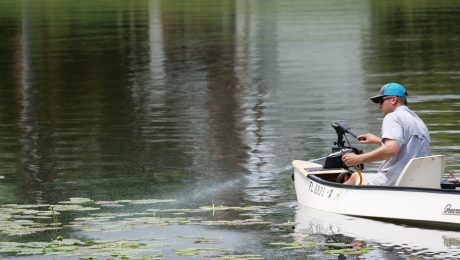
State officials say they’re investigating the chemical treatment of an Allegan County lake after the reported deaths of a dog and wildlife. The state-issued permit allowed the contractor to use copper sulfate, flumioxazin and diquat dibromide along the shore of seven properties to control aquatic plants and algae on Dumont Lake, located about five miles
Several residents of Lakeland Estates in Greely are upset over the continual use of algaecides and herbicides being used to treat the aquatic vegetation on these private man-made lakes. Homeowner Chris Leblanc believes it is an irresponsible way to manage the lakes, and that pesticide use is not meant to be a long-term management plan.
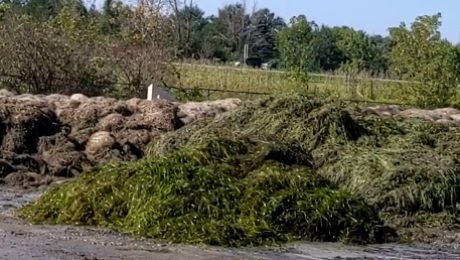
State environmental officials have rejected a plan to use a powerful chemical herbicide to control an invasive water weed in Lake Iroquois in Chittenden County, saying the potential environmental damage did not justify its use. The proposal was rejected because it did not sufficiently consider non-chemical alternatives and could damage native plants along the lakeshore.
The Town of Stockbridge, Massachusetts’s Conservation Commission rejected an application by the Stockbridge Bowl Association to combat the infestation with a limited, low-dose test of an herbicide this spring. Members voted 4-0 to deny a permit for a fluridone treatment by Solitude Lake Management on a 40-acre portion of the state-owned lake’s southern shoreline area,