
Aquatic herbicides, including chemicals like glyphosate, are commonly used to control invasive plants, but they can harm ecosystems, wildlife, and water quality. Learn about the risks and alternatives for managing aquatic vegetation safely.

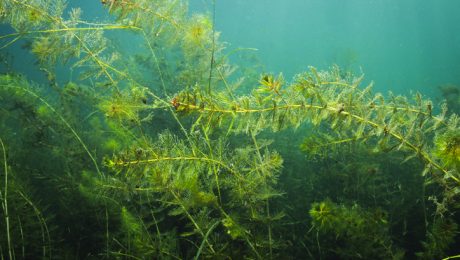
An herbicide treatment of Lake Iroquois in Chittenden County, Vermont, isn’t likely to occur this year because the state received so many public comments that it will not have time to respond before the window has passed in which the first treatment must occur. Although representatives from the state say the herbicide won’t unduly harm

Lake Pinehurst does not permit power boats making it an ideal lake to host cocktail cruises, sail, swim, and fish. Well, maybe not fish. This 200-acre manmade lake is owned by Pinehurst Resort in North Carolina; a premiere golf and recreation resort. Residents of the area and resort guests trolled for largemouth bass and other

A heat wave combined with a chemical treatment for weeds proved to be deadly to some fish in Bon Aire Lake, according to the executive director of Merrillville Stormwater Utility. Matt Lake said about 100 fish died recently in an isolated incident in the 21-acre lake when the heat index rose to 110 degrees the

About 5,000 fish have died because of algaecides applied to Hartwell Lake in an effort to improve the region’s drinking water. The South Carolina Department of Natural Resources and the state’s public-health agency are investigating the fish kill, which affects the area around the Anderson Joint Regional Water System’s intake on the lake. 160 acres

Michigan anglers are fed up with the way some area lake associations have amped up their aquatic plant treatments in recent years. The annual dump of herbicides has destroyed a lot of fish habitat in recent years. It doesn’t matter whether you fish for panfish, bass, pike or walleye; excessive treatments have negative effects. Plants

To clean up the pollution in Jordan Lake, North Carolina lawmakers have tried arguing. They’ve tried SolarBees. They’ve even tried ignoring the problem. All those tactics have failed. Now state officials are examining a potential chemical treatment for the lake — yet another experiment on a vital drinking water source for more than 350,000 people.
Suburban Chicago official says hundreds of fish died in the community’s lake when oxygen levels plummeted after an herbicide was applied to combat aquatic plants. About 400 fish, including largemouth bass, died last week in Libertyville Illinois’s Butler Lake soon after a company applied a chemical that’s designed to control invasive weeds, including the lake’s
The Chautauqua Lake Association (CLA) says it has filed objections to a permit applications that would allow for the application of two powerful herbicides to 1,200 acres of Chautauqua Lake this coming summer. The CLA in New York is the organization that helps manage weeds on the lake by operating a number of harvesters to

The Massachusetts Department of Conservation and Recreation is aiming to reduce invasive plant species in Lake Whitehall in a plan that calls for herbicides and mechanical harvesting. The reservoir has extensive growth of “exotic nuisance aquatic vegetation,” including fanwort and variable-leaf milfoil, according to a report by ESS Group, a firmed hired by the state.

The Environmental Protection Agency has determined that the endocrine-disrupting pesticide atrazine and cancer-linked pesticide glyphosate are each likely to harm more than 1,000 of the nation’s most endangered plants and animals. These chemical poisons are causing severe harm to imperiled wildlife since U.S. use exceeds 70 million pounds of atrazine and 300 million pounds of