(262) 392-2162 | info@aquarius-systems.com
  • Contact Us
  • Resources
  • Careers

Aquarius-Systems

  • Home
  • Equipment
    Weed Harvesters
    Aquatic Excavators
    Canal Cleaners
    Vegetation Shredders
    Trash Skimmers
    Transport Barges
    Trailers
    Offloading Conveyors
  • Service
    Parts & Service
    Equipment Manuals
    Safety Guide
  • About Us
  • Media
  • Latest
  • Quote

Aquatic herbicides, including chemicals like glyphosate, are commonly used to control invasive plants, but they can harm ecosystems, wildlife, and water quality. Learn about the risks and alternatives for managing aquatic vegetation safely.

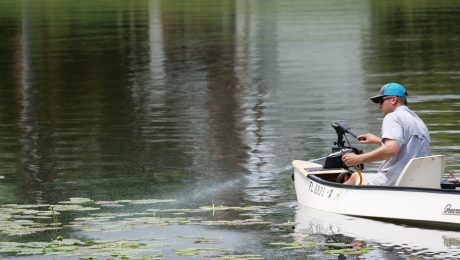
Hydrilla Control and Herbicide Impacts on Lake Pinehurst Fishery

  • 0
/ Published in Aquatic Herbicides, Blog
Spraying herbicide on the lake
Hydrilla.  The word alone sends shivers down the spines of anyone living, associated, or recreates on waterways.  It sends people into panic mode, as it should.  Hydrilla is an aquatic invasive species that has slowly been invading waters of the United States since being introduced in Florida in the 1960’s.  Hydrilla in one of the
aquatic invasive speciesgrass carpherbicide treatmenthydrillahydrilla controllake fisheriesLake Pinehurst

The Pesticide Treadmill and Growing Resistance Problems

  • 0
/ Published in Aquatic Herbicides, Water Quality & Pollution
Applying aquatic herbicides to kill lake weeds.
Pesticide resistance is a major problem that occurs when a pesticide is used for control for years and then will no longer kill the pest.  This is a billion dollar problem for US agriculture. In 1999 the cost of pesticides and the yield loss of crops to pesticide resistance was estimate at $1.5 billion in
herbicide resistant weedshydrilla herbicide resistanceintegrated pest managementpesticide resistance agriculturepesticide treadmill conceptresponsible pesticide useRoundup resistant pigweed
  • 6
  • 7
  • 8
TOP