

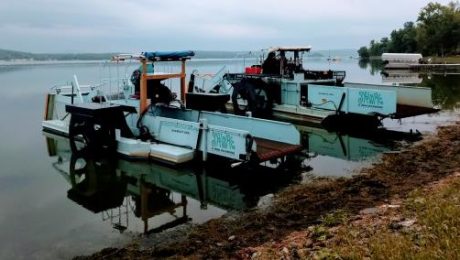
Weed growth in St. Albans Bay in Vermont was not as bad this past summer as anticipated according to Steve Cushing, President of the St. Albans Area Watershed Association (SAAWA). Last year, high, turbid waters and a layer of sediment carried into the lake by flooding and rainfall reduced weed growth, explained Cushing. With clear

Posted on July 9, 2013 by Dan O’Keefe, Michigan State University Extension Aquatic ecologists tend to avoid the term “weeds” when referring to macrophytes – the rooted aquatic plants that many swimmers and boaters disdain. These plants provide food for waterfowl and habitat for fish, but they can also play a critical role in maintaining

The Massachusetts Department of Conservation and Recreation is aiming to reduce invasive plant species in Lake Whitehall in a plan that calls for herbicides and mechanical harvesting. The reservoir has extensive growth of “exotic nuisance aquatic vegetation,” including fanwort and variable-leaf milfoil, according to a report by ESS Group, a firmed hired by the state.

Lee County Hyacinth Control manages aquatic plants in our waterways using several different methods. The mechanical weed harvester is an eco-friendly method clears widespread vegetation so boats can navigate through our canals. Run off in Cape Coral canals comes from many places. It could be your street, your roof or your lawn. The recycled water


Florida’s tropical waters are home to a great diversity of life, but perhaps the most endearing is the Manatee. The manatee is a grazing animal and spends between six and eight hours a day feeding on seagrasses and other freshwater vegetation. The manatee actually plays an important role in controlling the aquatic plant growth in
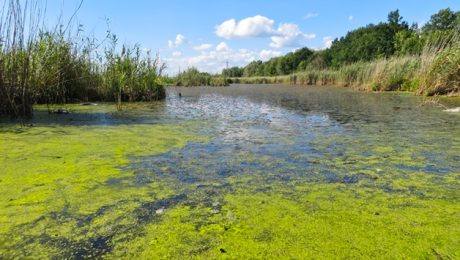
In December, 2010 Wisconsin became the first state in the country to adopt phosphorus water quality standards for lakes, reservoirs, rivers, and streams. The Environmental Protection Agency has approved Wisconsin’s revised rule as a revision to Wisconsin’s federally-approved National Pollutant Discharge Elimination System program under the Clean Water Act. Under the new rules DNR determines