
Lake & Waterway Management focuses on the practices and strategies that keep lakes, rivers, and wetlands healthy. Topics include lake health, ecosystem balance, climate change impacts, shoreline restoration, fish populations, and sustainable management techniques that protect water resources for the future.


Overwhelmed by decades of pollution, by the late 60’s, the Buffalo River’s condition was disgraceful. Both Lyndon Johnson and Robert Kennedy visited the New York river to inspect the carnage, and the death knell for this once proud waterway was sounding. Jill Jedlicka is Executive Director Of Buffalo Niagara Riverkeeper. The river hit rock bottom

Aquatic plant control always seems to be a controversial issue. Rock Lake located in Southeastern Wisconsin is no exception. Last year residents opposing harvesting formed a human barrier to keep the aquatic plant harvester from entering the water. This year the Rock Lake Restoration Association has once again applied and received a permit to harvest

With summer in Lake County, California comes an increase in lake weeds and algae, and since 2011 the county government has allocated more money to the work of keeping weeds out of popular swimming and boating areas. Scott De Leon, the county’s Water Resources and Public Works director, said the Board of Supervisors set aside
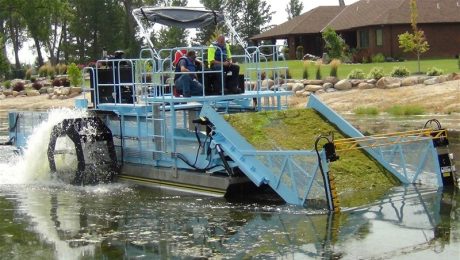
Fall has barely begun and the Lakes Area community is already preparing for next year’s battle against the invasive curlyleaf pondweed. The weed caused navigational issues on the lake this past season as it clogged boat motors and jammed dock lifts. The Iowa Department of Natural Resources, local government entities, area protective agency representatives and

The summer heat came early to the Tennessee Valley, upping the pressure for Dr. Brett Hartis, Tennessee Valley Authority aquatic plant management specialist, to get his job just right. He is charged with the task of monitoring and managing nuisance aquatic plants in the Tennessee River system. Over the roar of the airboat Hartis can

With this drought season being a rough one, the Columbia Irrigation District tried their best to do everything they could to make sure they can get all their customers the water they need. A lot of weeds are clogging up the Yakima River preventing it from flowing into a canal near the Wanawish Dam. The

The Harvesters (weed cutters) are Yellow. They are cutting on Mondays, Tuesdays, Wednesdays and Thursdays. Typically “as a rule of thumb” the harvesters do not cut on Fridays. The Shore Barges (weed pick up – floaters and shorelines) are Orange. They are out every weekday, weather permitting, picking up floating weeds and weeds along the
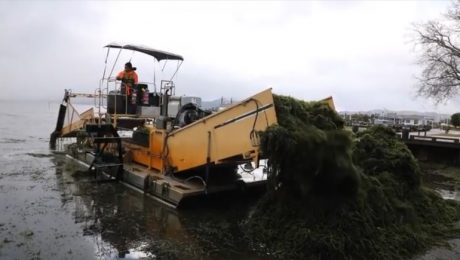
An aquatic harvester has been working at the Rotorua Lakefront in New Zealand, removing mammoth amounts of lake weed from the shore. The large influx washed up around Sulphur Point and Ohinemutu after strong winds and heavy rain battered the region. An influx like this was not uncommon as storm conditions could break off weed

Surrounded by some of the world’s richest soil and home to two major grain processing plants, Decatur has long been a hub for agribusiness in the United States. One major trade-off comes in the form of excess nutrients, specifically nitrogen and phosphorus, that runoff from fertilizers used on local farm fields and from discharges from

WISN met with our team at Aquarius Systems as well as visiting the Lake Beulah Management District to see these amazing machines that are “Made in Wisconsin”. According to Jane Dauffenbach, President of Aquarius Systems, at the factory in North Prairie they make metal float. The raw material comes in and the talented staff bend