

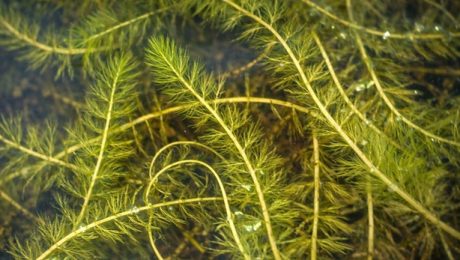
Eurasian watermilfoil is one of the most widespread and challenging aquatic invasive plants found in lakes and waterways across North America. This submerged aquatic plant grows rapidly, forming dense underwater stands and thick surface canopies that can interfere with boating, fishing, swimming, and other recreational activities. In many water bodies, invasive milfoil can also outcompete
A new study from the University of Minnesota challenges a common belief that lakes with diverse plant life are more resilient to aquatic invaders. The study by the U’s Minnesota Aquatic Invasive Species Research Center looked at 13 years of vegetation survey data collected from about 1,100 lakes by the Department of Natural Resources. The
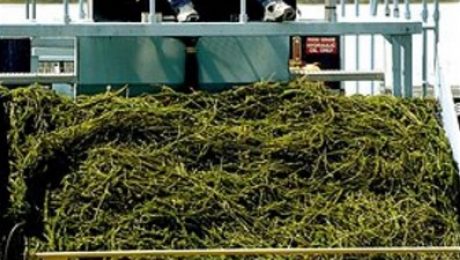
Eurasian water milfoil is an exotic invasive species that is thought to have been introduced to the U.S. in the 1800’s in the bilge of ships. Once established milfoil can never be completely eradicated, but it can be managed with an aquatic weed harvester or repeat treatments of aquatic herbicides. Any relaxing on the spraying
Eurasian Watermilfoil, Indian Lakes Watershed, Definition of “US Waters”, Importance of Restoring your Shoreline Indian Lake Watershed Project Received New Weed Harvester Aquatic Invasive Species: Eurasian Watermilfoil Definition of “Waters of U.S.” The Importance of Restoring Your Shoreline Read More

Each year, the St. Albans Area Watershed Association uses mechanical harvesters to cut and remove tons of unwanted plant material out of St. Albans Bay. The harvesters scooped up almost 90,000 bushels of plants in 2020 alone. The aquatic weed harvesters are used for establishing things like navigation lanes and clearing out areas of varied

In the last few decades, the lake’s weedy, northern-most portion has clogged hulls and deterred boaters from entering the lake from the Oswegatchie River. Patches of weeds greet the water’s surface near every dock, and nearly invisible from a distance on a windy day, matted greenery creates a basin of weeds seven-feet-deep in some spots.
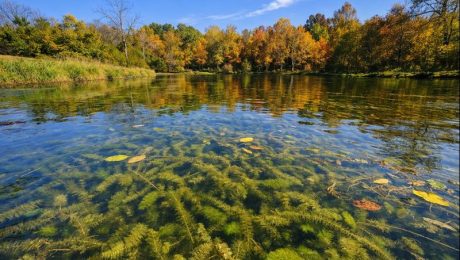
Some shoreline residents of Duck Lake, Michigan aren’t keen on the continued use of chemicals to treat invasive aquatic plants for fear of unintended consequences. Green Lake Township has for years collected a special assessment tax to pay for Eurasian watermilfoil treatments in Duck Lake, an effort to keep the species’s signature mats of floating

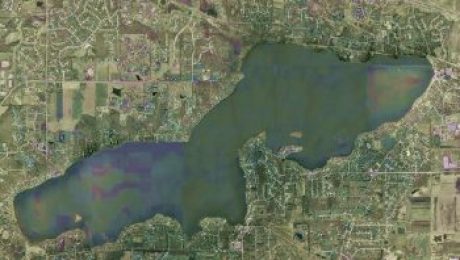
Pewaukee Lake is the largest of the ninety-one lakes located in Waukesha County, Wisconsin. It is a premier lake for Musky, Walleye, Northern Pike, and Largemouth bass. It supports a diverse plant community that is dominated by Eurasian watermilfoil. The Lake Pewaukee Sanitary District is in charge of lake management and its program consists of
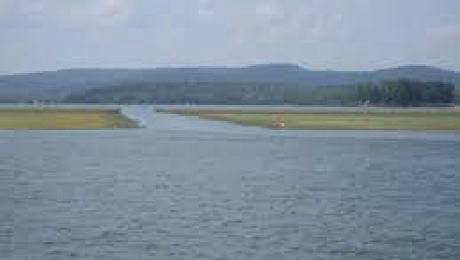
Aquatic plants, whether invasive or native, can be described as either a mess or a resource. Natural plant growth covers 20 – 40% of the water and includes a diversity of plants. However, invasive plants such as Eurasian watermilfoil, hydrilla and water hyacinth quickly take over a lake covering 60% and sometimes 100% of the
- 1
- 2