

Eurasian watermilfoil is one of the most widespread and challenging aquatic invasive plants found in lakes and waterways across North America. This submerged aquatic plant grows rapidly, forming dense underwater stands and thick surface canopies that can interfere with boating, fishing, swimming, and other recreational activities. In many water bodies, invasive milfoil can also outcompete native vegetation, reducing plant diversity and altering aquatic habitat.
Managing Eurasian watermilfoil often requires a long-term commitment and a combination of management techniques. Mechanical harvesting, hand removal, bottom barriers, biological controls, and aquatic herbicides are all commonly used to reduce infestations and improve waterway access. Each method offers advantages and limitations, and many lake managers rely on integrated management programs that combine multiple approaches to achieve their goals.
One herbicide that has gained significant attention in recent years is ProcellaCOR®, a selective aquatic herbicide designed to target invasive plants while minimizing impacts on many native species. Lake associations and resource managers across the country have used ProcellaCOR to combat persistent milfoil infestations, often reporting successful control of invasive growth and improved conditions for recreation and native plant recovery.
However, as with any management tool, questions remain about potential long-term effects and environmental persistence.
Findings from Lake George
Following a ProcellaCOR treatment in Lake George, New York, researchers conducted independent sampling of water, sediment, and aquatic plants to better understand how the herbicide behaved within the ecosystem after application.
According to the study, degradants associated with the herbicide were detected in the upper layer of sediment five months after treatment. Researchers also reported finding the herbicide’s active ingredient, florpyrauxifen benzyl, in deeper sediment layers more than a year after application.
These findings have generated discussion among lake residents, scientists, and resource managers regarding how herbicide compounds interact with lake sediments and whether long-term accumulation may occur under certain conditions.
Balancing Benefits and Concerns
For many lake communities, ProcellaCOR has become an important tool in the ongoing effort to control invasive milfoil. Dense infestations can significantly impact recreation, property values, water flow, and native aquatic plant communities. Effective control methods can provide substantial benefits when invasive species threaten the health and usability of a lake.
At the same time, some residents and environmental advocates have expressed concerns about possible unintended consequences of repeated herbicide use. Questions have been raised regarding sediment persistence, impacts on non-target organisms, and the long-term effects on lake ecology. While current research continues to evaluate these issues, many stakeholders are calling for additional monitoring and independent studies to better understand the full environmental picture.
The Importance of Integrated Aquatic Plant Management
 The debate surrounding Eurasian watermilfoil management highlights the complexity of aquatic ecosystem stewardship. There is rarely a single solution that works for every lake or waterway. Factors such as infestation size, waterbody characteristics, management goals, budget, and environmental considerations all influence the selection of appropriate control methods.
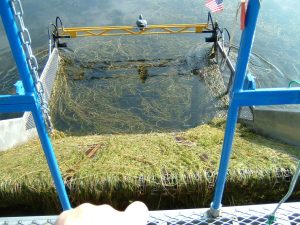
Mechanical harvesting continues to play an important role in many aquatic plant management programs by physically removing plant biomass from the waterway without introducing chemicals into the ecosystem. Harvesting can improve navigation, reduce nuisance growth, and remove nutrients contained within the harvested vegetation. In many cases, harvesting is used alongside other management strategies as part of a comprehensive aquatic plant management plan.
As research continues and new information becomes available, lake managers, regulators, and stakeholders will need to evaluate all available tools carefully. Ongoing monitoring, transparent reporting, and science-based decision making remain essential for protecting both recreational access and long-term ecosystem health.
The conversation surrounding ProcellaCOR and Eurasian watermilfoil management is likely to continue as additional studies are completed. For lake associations and water resource managers, understanding both the benefits and potential tradeoffs of available management options remains a critical part of maintaining healthy and usable waterways.