Blog

Clean water starts here - explore our Blog

Stay up to date with the latest news, insights, and updates from Aquarius Systems. Our blog covers waterway management, aquatic plant control, environmental challenges, equipment innovations, and stories from around the world that impact our lakes, rivers, and communities.

Cows in barn eating
Industrial-scale beef production is impacting global climate, but scientists have found a way to make cattle-rearing more environmentally-friendly. Around 70% of methane emissions from agriculture is due to cows. Cows release methane, a by-product of their digestion, either through belches or farts. Researchers have discovered that by supplementing a cow’s diet with a type of
Hydroelectric dam with multiple spillway gates releasing water into a river.
On paper, Vermont boasts one of the cleanest electric grids in the country.  About 66% of the state’s electricity came from renewables in 2019.  The state’s Renewable Energy Standard requires utilities to get to at least 75% renewables by 2032, including wind, solar, biomass and hydropower.  But critics say the problem is that a huge
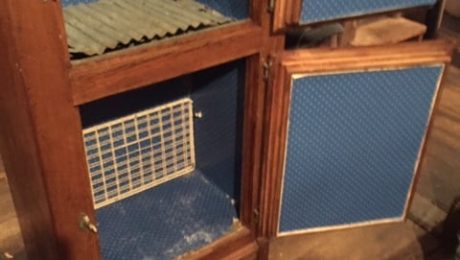
Before refrigerators, people relied on ice boxes, which were insulated wooden boxes used to store ice and keep food cold.
For decades before World War I, much of the ice used in iceboxes was harvested from Wisconsin Lakes. The ice was stored in icehouses until it was shipped via rail to Chicago and then across the nation, in particular the American Southwest such as Texas and Arizona. Small ice harvesting existed to meet demand locally,
Variety of coffee beans.
Coffee is the world’s most widely consumed beverage; it is relished by individuals from all races, backgrounds, and social classes. Over 1 billion individuals in the world drink over 2.25 billion cups of coffee every day. Finland is the world’s largest coffee consumer; 12kg of coffee is consumed by an average Finn yearly while Brazil
TOP