
Manage invasive and overgrown aquatic vegetation in lakes, rivers, and wetlands. Solutions include mechanical harvesting and safe plant control methods.


Aquarius Systems joined forces with Ray Scott (founder of B.A.S.S.), the Lower Colorado River Authority, Texas Parks & Wildlife, the Tennessee Valley Authority and numerous fishing & environmental groups in giving a demonstration of an Aquatic Plant Harvester for Texas Governor George Bush. The TVA brought their specially designed Aquarius harvester from Guntersville, Alabama to

Tom Howes explained in Anishinaabe, then in English, why restoring wild rice to the St. Louis River in Minnesota is so important to the Fond du Lac people. It’s here, along the 26-mile estuary upstream of Lake Superior, that his ancestors settled after a long journey from the east. They chose the river because of
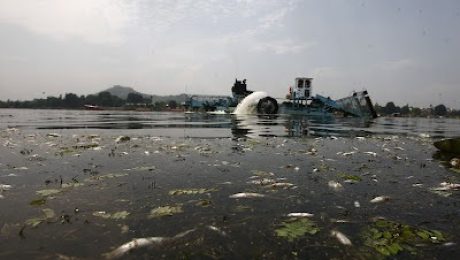
Indian Kashmir used to be a place people compared to mythical Shangri-La–verdant and unspoiled. And Nigeen Lake, in a green valley surrounded by the Himalayas, is considered by waterways officials to be the least polluted waterway in the city of Srinagar (population 1.3 million). Nigeen is important for tourism, recreation, and the city’s image, but
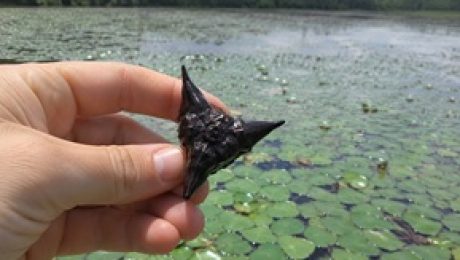
The annual weed pull calling volunteers to Bare Hill Pond in Harvard, Massachusetts; to yank invading water chestnut weeds from the pond’s depths wasn’t held this year. Why? Volunteer Rick Dickson said, “because we finally don’t need it.” The plant is injurious with its four-headed needle-sharp seeds typically making it to shore and cutting the

A mechanical milfoil harvesting machine has seen steady work on Black Lake in New York this summer, according to one of the owners of the apparatus. Black Lake resident Bob Gordon said he purchased the equipment along with fellow businessman Jay Carter and has been contracting with local waterfront property owners to help pull up

Chautauqua Lake Association officials report removing more than 13.3 million pounds of aquatic vegetation from Chautauqua Lake (Chautauqua, New York) this summer. Overall, CLA officials said in a news release that the condition of the lake was wonderful this year. Average weed growth in most areas had exceptional clarity compared to past years. The CLA

Most fishermen just call it “grass.” Others refer to it as “milfoil” (although that is just one species of many). Scientific types called it “aquatic vegetation,” while most dock owners refer to it as “weeds” (or other names we can’t publish here). Whatever you call it, the submergent (underwater) aquatic vegetation growing on area lakes

The Iowa Great Lakes area is an incredible place to live, visit and recreate. Much of their economy is tied to these area lakes. Sometimes, difficult decisions come along, such as the curlyleaf pondweed issue on the north end of East Okoboji. It is an exotic that showed up in the 1950s, but in recent
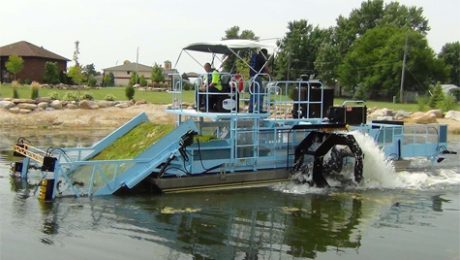
The head of Three Mile Harbor, and Georgica, Wainscott, and Hook Ponds are among the water bodies that continued to be compromised by harmful algal blooms or high levels of fecal coliform bacteria. Georgica Pond’s water quality improved last year, Dr. Gobler told the trustees, which he said was likely the result of the aquatic
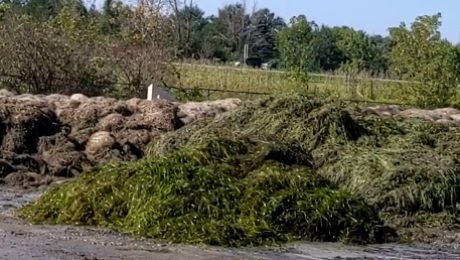
Portions of three lakes this season will have hand harvesting of Eurasian Water Milfoil (EWM) according to information from the Lower Eagle River Chain of Lakes Commission in Wisconsin. The affected area is composed of seven acres. Since 2008, the commission has treated 1,117 acres of milfoil at a cost of $1.53 million. It took