(262) 392-2162 | info@aquarius-systems.com
  • Contact Us
  • Resources
  • Careers

Aquarius-Systems

  • Home
  • Equipment
    Weed Harvesters
    Aquatic Excavators
    Canal Cleaners
    Vegetation Shredders
    Trash Skimmers
    Transport Barges
    Trailers
    Offloading Conveyors
  • Service
    Parts & Service
    Equipment Manuals
    Safety Guide
  • About Us
  • Media
  • Latest
  • Quote

Mechanical Harvesting and Volunteers Battle Water Chestnut in Mystic River

  • 0
/ Published in Aquatic Invasive Species, Aquatic Plant Management
Invasive Water Chestnut forms dense mats that displace native species and interfere with recreational activities.
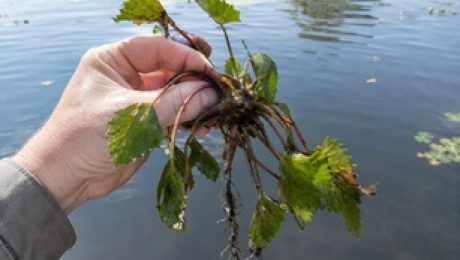
While water chestnut would literally take over the river from shore to shore, the Mystic River Watershed Association and many partners battled the invasive plant with the help of mechanical harvesters and by organizing volunteer hand-pulling events. Water chestnut (Trapa natans) is native to Asia, Europe and Africa. It was introduced in 1897 by a
aquatic invasive species controlinvasive aquatic plants Massachusettsmechanical weed harvestingMystic River Massachusettsvolunteer water chestnut removalwater chestnut eradication effortswater chestnut Trapa natans

Mechanical Harvesting Removes Invasive Water Chestnut from Mystic River

  • 0
/ Published in Aquatic Invasive Species, Aquatic Plant Management
Invasive Water Chestnut forms dense mats that displace native species and interfere with recreational activities.
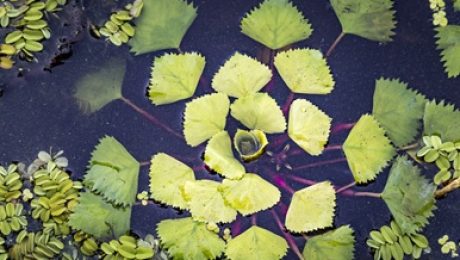
Water chestnuts are fast-growing invasive aquatic plants that choke waterways, damaging recreational opportunities and natural habitats. These plants displace native species, reduce biodiversity, hamper recreational uses and diminish the aesthetic value of bodies of water. They can negatively impact native vegetation and fish populations by forming large dense mats of vegetation on the water surface,
aquatic invasive species controlDepartment of Conservation and Recreationinvasive aquatic plant managementmechanical harvesting water chestnutMystic River invasive plantsriver weed removalwater chestnut Trapa natans

Water Chestnut Removal Success at Bare Hill Pond

  • 0
/ Published in Aquatic Invasive Species, Aquatic Plant Management
Invasive Water Chestnut forms dense mats that displace native species and interfere with recreational activities.
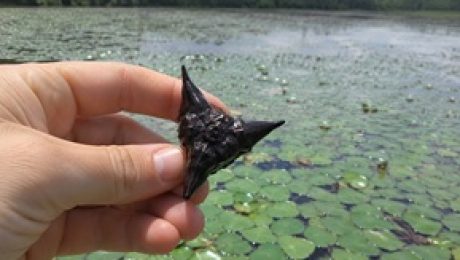
The annual weed pull calling volunteers to Bare Hill Pond in Harvard, Massachusetts; to yank invading water chestnut weeds from the pond’s depths wasn’t held this year. Why? Volunteer Rick Dickson said, “because we finally don’t need it.” The plant is injurious with its four-headed needle-sharp seeds typically making it to shore and cutting the
aquatic invasive species controlBare Hill Pond Massachusettsinvasive aquatic plant removallake weed eradicationmechanical weed harvestingvolunteer water chestnut pullwater chestnut Trapa natans

Mechanical Harvesting Restores Heard Pond from Water Chestnut Infestation

  • 0
/ Published in Aquatic Invasive Species, Aquatic Plant Management
Invasive Water Chestnut forms dense mats that displace native species and interfere with recreational activities.
Heard Pond became so heavily infested that the beauty and recreational value of it were lost.  Once flourishing with native water lilies Heard Pond had a reputation for great fishing and bird watching.  All gone, due to the lack of open water, nearly completely covered with water chestnut. Water chestnuts are native to parts of Eurasia
aquatic weed harvestingHeard Pond Massachusettsinvasive aquatic plant removallake restoration projectmechanical harvesting lakeswater chestnut control programwater chestnut Trapa natansWayland Massachusetts lake management
TOP