

From Beer to Beavers Why Water Quality Matters A Message from Our Leader: Hazy, Crazy Summer at Aquarius Systems Study Links Tap Water to PFAS in Craft Beer Making a Dam Difference in Oregon Protecting Lake Coeur d’Alene from Hidden Pollution Upcoming Conferences New Hampshire Lakes Lakes Congress Maine Lakes & Lake Stewards Annual Conference
Protecting Water with Innovation & Conservation A Message from Our Leader: Plastic Pollution in our Waterways Celebrating Earth Day: A Commitment to Our Planet Floating Debris Removal System Cleans Milwaukee’s Kinnickinnic River Loss of Aquatic Plants Threatens Lake Mattamuskeet Upcoming Conferences Colorado Lake & Reservoir Management Association Spring Conference Michigan Lakes & Streams Association 64th
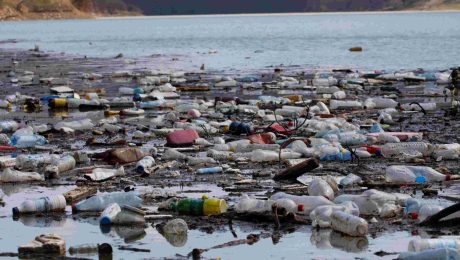
Although many people might think oceanside cities bear the responsibility to keep plastic and trash out of the water, the Mississippi River can act as a funnel for that trash from the heart of the country to the Gulf of Mexico. The Mississippi River drains more than 40% of the continental U.S. – just how
Marine debris is a global problem that threatens the health and safety of oceans and coastal waterways. Marine debris can damage sensitive habitat that supports fisheries and can harm protected species. Marine debris also has economic impacts. These impacts are felt by those whose livelihoods are linked to the sea, yet in many cases the

The “pristine” Charleston estuary waters in South Carolina, are in worse shape than most people think. At least 7- ½ tons worse. That’s how much plastic is estimated to be breaking down in the tide and waves of Charlestown Harbor, its tidal rivers and creeks. The total comes from a study by a research team

Around the world, people dump about 20 million tons of plastic into the ocean every year, much of it in the form of flyaway plastic bags. This waste doesn’t get magically swallowed by the ocean–it lingers indefinitely, posing a threat to marine life and to human health. Picking up garbage in the ocean is an

Located near the tip of the Big Island of Hawaii, the southernmost point of the United States, lies Kamilo beach. Due to the unique currents that run near there, marine debris such as animal carcasses and logs would wash up, making it a prime spot for the native Hawaiians to collect logs for dugout canoes.