
Some people may think that plants growing in lakes are weeds that should be removed, but ecologists say native aquatic plants play an important role in keeping lakes healthy. They help maintain water clarity, support aquatic life, and prevent invasive species from taking over.
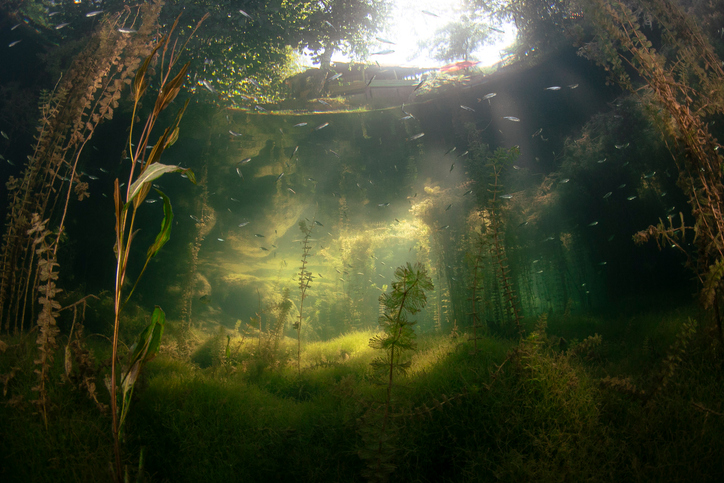
Many lakefront property owners view aquatic vegetation as a nuisance, sometimes using machines or chemicals to remove it. But beneath the surface, these plants form a diverse and valuable ecosystem. At Minnesota’s Nisswa Lake, aquatic plants range from water lilies with floating leaves to submerged vegetation that resembles an underwater forest. Together, they contribute to the lake’s remarkable water clarity and overall health.
According to aquatic plant ecologist Donna Perleberg with the Minnesota Department of Natural Resources, the benefits extend well beyond appearance. Plant roots anchor lake-bottom sediments, preventing them from being stirred up and clouding the water. Aquatic plants also absorb nutrients carried into lakes by runoff from lawns, golf courses, and agricultural fields, helping reduce the conditions that contribute to algae blooms. Their leaves and stems provide food, shelter, and habitat for fish, insects, and other aquatic organisms.
A healthy community of native aquatic plants also helps resist invasive species by occupying space and competing for resources. While excessive vegetation can interfere with recreation and lake access, removing too many plants can disrupt the very ecosystem that keeps a lake healthy. The message is simple: aquatic plants aren’t necessarily the problem. They’re often an essential part of the solution.
Based on reporting by NPR, October 16, 2026. Read the original article.