


Invasive species are non-native species that are introduced, often by human activity, into an area and cause damage to that area’s ecosystem. Non-native species tend to lack natural predators giving them a definite advantage to propagate in a new area. As a response to the increase of invasive species in Wisconsin, the Department of Natural
Native to Africa and believed to have been introduced to American waters from the aquarium trade in the 1960’s, hydrilla has quickly spread across the southern U.S. from Connecticut to California. By the 1990’s millions was spent yearly on its control, but this year New York alone has budgeted $800,000 to fight the invasive aquatic plant.

Earth Day was born after founder Gaylord Nelson, then a U.S. Senator from Wisconsin, witnessed the ravages of the 1969 massive oil spill in Santa Barbara, California. Inspired by the student anti-war movement, he realized that if he could infuse that energy with an emerging public consciousness about air and water pollution, it would force
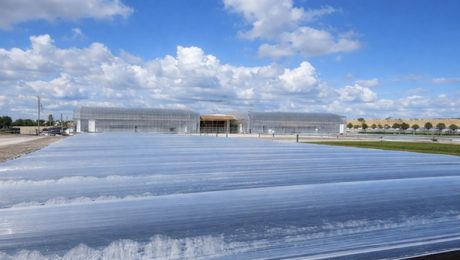
Algenol Biofuels, located in Southwest Florida, was founded in 2006 and is a young, but rapidly developing and sophisticated company. What makes this company different than other young businesses; they are producing ethanol using algae. Algae, simple photosynthetic plants that live in water, are among some of the oldest living organisms on earth. Most species
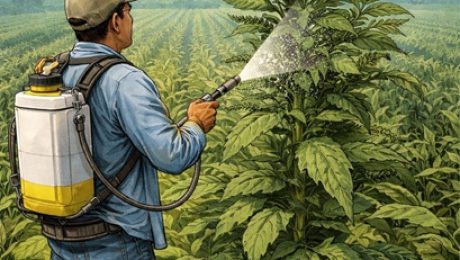
Fifteen years ago genetically engineered crops hit the market much to the delight of farmers. These new Roundup-tolerant crops allowed farmers to simply spray the herbicide Roundup over their fields and everything died – except the corn, cotton, and soybeans. Recently, farmers have realized that certain weeds weren’t dying anymore; in Georgia that plant is

Little thought is given to aquatic weeds unless you live or recreate on the worlds waterways. The aquatic plant harvester industry has grown in response to those concerns. With Pictures of steam powered cutter boats dating back to the late 1890’s, we know that excessive plant growth has been a problem for a long time.
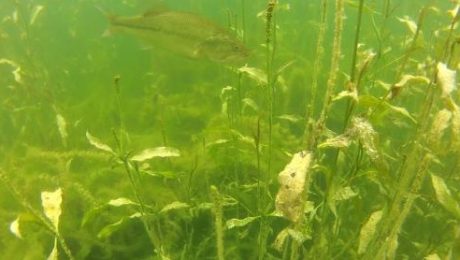
According to the dictionary, a weed is a plant considered undesirable, unattractive, or troublesome, especially one growing where it is not wanted. So while most aquatic plants are pegged as “seaweeds” the Japanese refer to them as sea vegetables. Many of the aquatic plants are of great value for both the ecological system in which
Blue-green algae, technically known as cyanobacteria, are microscopic organisms that are naturally present in lakes and streams. Typically present at low number, blue-green algae can quickly become abundant in warm, shallow, undisturbed surface water rich in nutrients like phosphorous and nitrogen. Some blue-green algae produce toxins that could pose a health risk to people and

We focus a lot on aquatic invasive plants, just because that is our business – but there is another invasive species that certainly deserves some print on our blog. It is partically because of them that weed harvesters are needed. Zebra mussels, a freshwater aquatic nuisance, which grow to about the size of a dime
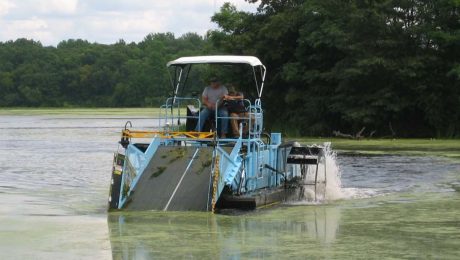
The Bakersfield big blue mechanical monster in the lake is pretty intimidating up close. The aquatic weed harvester acts like an underwater lawn mower. It moves about 5 mph and has cutter blades underneath it with an adjustable swath of about 8 feet wide and 6 feet deep. The blades cut the weeds as they