

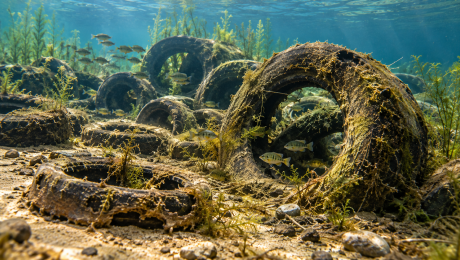
Sometimes an idea makes perfect sense with the information available at the time. In 1994, researchers published the results of an experiment in concrete-lined canals in California and Arizona. Lining the canals helped conserve water, but it also eliminated habitat used by fish and other aquatic organisms. Their solution was innovative: build artificial habitat from
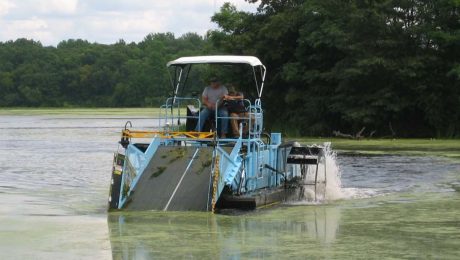
As the harvest season winds down, aquatic weed harvesters across the region are being pulled from the water and stored for winter. For many lake districts, this time of year brings a chance to reflect on the season’s results—and the numbers out of Polk County are impressive. The Apple River Protection and Rehabilitation District (ARPRD)
Water Warriors: Native Aquatic Plants vs Invasives A Message from Our Leader: 2025 Lake Conference Season Milwaukee: A Global Leader in Water Innovation How Michigan Fights Road Salt’s Invasive Side Effects Planting Native Aquatic Plants to Fight Invasive Species Upcoming Conferences Midwest Aquatic Plant Management Society 45th Annual Conference Virginia Lakes & Watershed Association Annual

The Florida Fish and Wildlife Conservation Commission, the state’s lead agency for hydrilla control since July 1, 2008, faces a daunting challenge. It not only manages the spread of non-native hydrilla by spraying herbicides to maintain waterways for boating navigation and flood control. It also must consider the wants of Florida residents while keeping the

Mechanical control methods involve the complete or partial removal of plants by mechanical means, including: harvesting, shredding, mowing, rototilling, rotovating, and chaining. These management techniques for plants rarely result in localized eradication of the species, but rather, reduce target plant abundance to non-nuisance levels. Mechanical Harvesting – A mechanical aquatic harvester (harvester) is a type

A recent increase in aquatic vegetation in Wheeler Reservoir in Alabama has anglers smiling, but local skiers, pleasure boaters and homeowners see the weeds as a menace. Tennessee Valley Authority officials said they are hearing lots of complaints from homeowners and boaters about the hydrilla, eel grass, star grass and milfoil up and down the

Wild rice is an annual aquatic grass that produces seed that is a delicious and nutritious source of food for wildlife and people. Harvested in the early autumn, wild rice was an immensely important commodity to Native Americans, particularly the Ojibwe and Menominee, who lived in the areas where it grew abundantly. The Menominee even

Little thought is given to aquatic weeds unless you live or recreate on the worlds waterways. The aquatic plant harvester industry has grown in response to those concerns. With Pictures of steam powered cutter boats dating back to the late 1890’s, we know that excessive plant growth has been a problem for a long time.


Ninety-eight percent of Malawi’s electricity supply comes from five hydro plants on the Shire River. An increase in floating aquatic weeds and debris caused serious operational problems at the stations and resulted in millions of dollars spent on repairs. For example, the intake structures at one plant were so blocked by accumulated weeds, water could not
- 1
- 2