
Healthy waterways support both recreation and fisheries. From boating and swimming to fishing and wildlife habitat, clean and well-managed lakes and rivers create safe spaces for people and aquatic life. Our focus is on protecting water quality and managing plants so that recreation and fisheries can thrive.

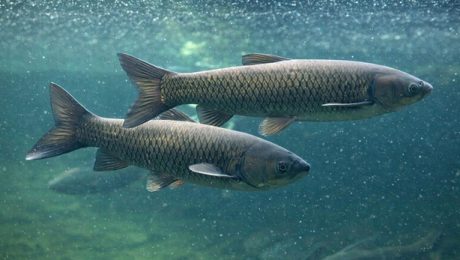
The North Carolina Wildlife Resources Commission is planning to add 100 artificial and natural structures at 37 sites to provide additional fishing areas for the angling public at the Tuckertown Reservoir. These fish attractors are intended to help offset the loss of aquatic vegetation in the presence of sterile grass carp. Sterile grass carp are a practical

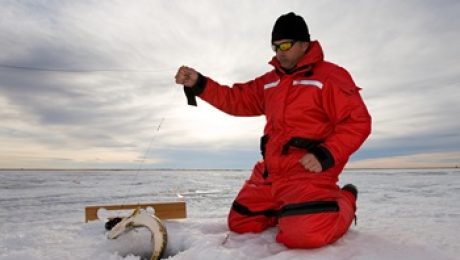
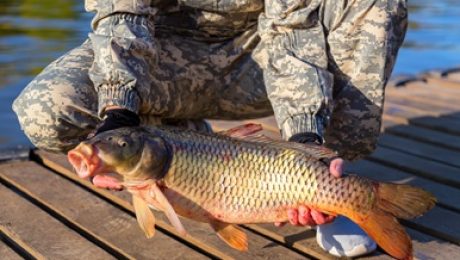
In a research pond in La Crosse, Wisconsin, scientists from the University of Illinois at Urbana-Champaign and U.S. Geological Survey are testing the effectiveness of a new strategy to ward off an Asian carp invasion that’s threatening the health of the Great Lakes, including Lake Michigan. The study called for placing a carbon dioxide infusion

As the leaves turn from green to yellow to orange to red, then down to the ground when they finally turn brown; it creates quite a bit of work for homeowners. It is important to dispose of leaves properly. Many cities offer curbside collection of leaves, where they are typically gathered and sent to