

Invasive Species Increase Property Value Illegal Sales of Asian Carp in Wisconsin Do Invasive Species Harm Property Values? How to Determine the Value of Water Rich in Water Heavy Rains No Match for Trash Skimmers Upcoming Conference: North American Lake Management Society 40th International Symposium Read More
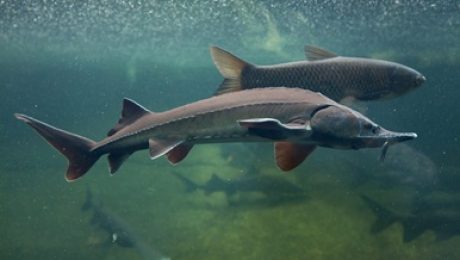
The U.S. Army Corps of Engineers is taking some innovative, and perhaps unusual, steps to keep Asian carp (the silver and bighead carp in particular) from infesting the Great Lakes. In the next several years several layers of protection will be used to thwart the arrival of the carp by way of the Chicago-area rivers

In the fight against alien animals that invade and overrun native species, the weird and the wired sometime win. Invasive species are plants and animals that thrive in areas where they don’t naturally live, usually brought there by humans, either accidentally or intentionally. Sometimes, with no natural predators, they multiply and take over, crowding out

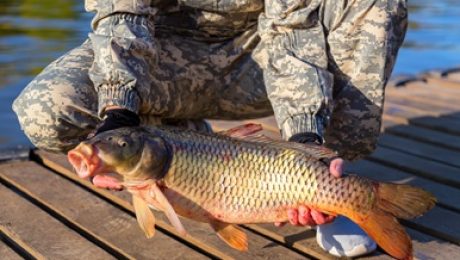
In a research pond in La Crosse, Wisconsin, scientists from the University of Illinois at Urbana-Champaign and U.S. Geological Survey are testing the effectiveness of a new strategy to ward off an Asian carp invasion that’s threatening the health of the Great Lakes, including Lake Michigan. The study called for placing a carbon dioxide infusion


Asian carp were imported from China to the U.S. in the 1970s to remove algae from catfish farms and wastewater treatment ponds. Somehow they escaped and migrated north through the Mississippi and Illinois rivers. The species spawn in rivers and feed on phytoplankton, disrupting the food chain for younger fish. The voracious eaters can weigh