

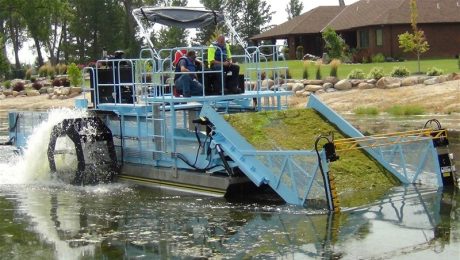
Fall has barely begun and the Lakes Area community is already preparing for next year’s battle against the invasive curlyleaf pondweed. The weed caused navigational issues on the lake this past season as it clogged boat motors and jammed dock lifts. The Iowa Department of Natural Resources, local government entities, area protective agency representatives and
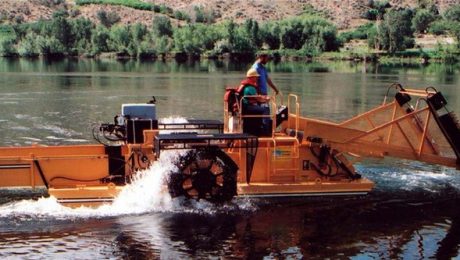
Kirksville City Council members voted to approve a resolution to allow weed harvest operations at Forest Lake in Thousand Hills State Park, Missouri, as the invasive curly leaf pond weed is not only negatively affecting recreation activities, but also impacts water quality and the drinking water treatment process. In 2018, the city entered into a


According to Nick Brown, DNR invasive species specialist, herbicides used to treat curly-leaf pondweed on Minnesota lakes may not lead to improvements in water quality. Curly-leaf pondweed is an invasive plant found throughout much of Minnesota. The plant grows slowly throughout the winter under the ice, but once the ice has left the lake the
- 1
- 2