

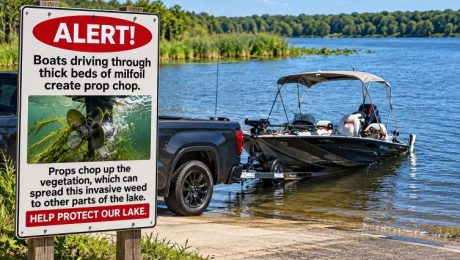
Schroon Lake in New York is infested with curly leaf pondweed and milfoil, two invasive species. But lake advocates and state and local officials are working to keep other aquatic invasives out through a new boat washing station in Severance. Partners are working to keep Schroon Lake free of invasive species, though the lake is

Chautauqua Lake Association officials report removing more than 13.3 million pounds of aquatic vegetation from Chautauqua Lake (Chautauqua, New York) this summer. Overall, CLA officials said in a news release that the condition of the lake was wonderful this year. Average weed growth in most areas had exceptional clarity compared to past years. The CLA
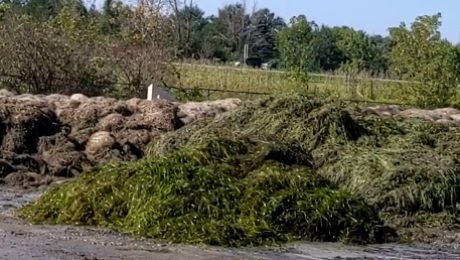
State environmental officials have rejected a plan to use a powerful chemical herbicide to control an invasive water weed in Lake Iroquois in Chittenden County, saying the potential environmental damage did not justify its use. The proposal was rejected because it did not sufficiently consider non-chemical alternatives and could damage native plants along the lakeshore.

Most fishermen just call it “grass.” Others refer to it as “milfoil” (although that is just one species of many). Scientific types called it “aquatic vegetation,” while most dock owners refer to it as “weeds” (or other names we can’t publish here). Whatever you call it, the submergent (underwater) aquatic vegetation growing on area lakes

The Town of Stockbridge, Massachusetts’s Conservation Commission rejected an application by the Stockbridge Bowl Association to combat the infestation with a limited, low-dose test of an herbicide this spring. Members voted 4-0 to deny a permit for a fluridone treatment by Solitude Lake Management on a 40-acre portion of the state-owned lake’s southern shoreline area,
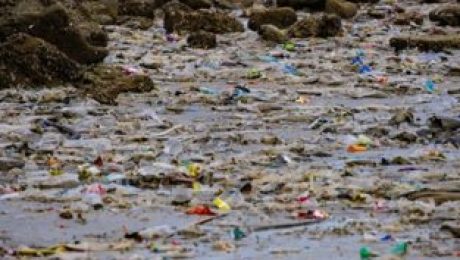
Microplastics are merging with bacteria and turning into large clumps in sea water, scientists have discovered. Glue-like molecules emitted by bacteria – called biopolymers – join with the plastic particles to form large masses. Scientists have warned that these ‘complex’ masses pose a threat to marine wildlife as they can easily mistake them for food.
Seabirds like albatrosses belong to the most threatened bird group in the world. Coincidentally, this group of birds (Procellariiformes) also ingests the highest amount of human garbage found in oceans around the world. At this very moment, 250,000 tonnes of garbage is drifting through the world’s oceans and threatening marine wildlife who mistake it for

The Iowa Great Lakes area is an incredible place to live, visit and recreate. Much of their economy is tied to these area lakes. Sometimes, difficult decisions come along, such as the curlyleaf pondweed issue on the north end of East Okoboji. It is an exotic that showed up in the 1950s, but in recent
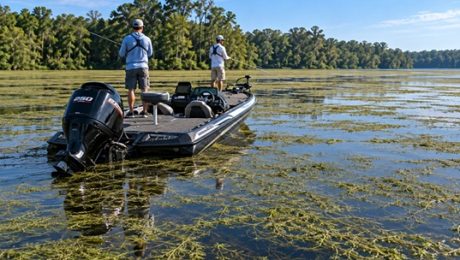
One of the consequences of extended flooding and muddy water in the Tennessee Valley Authority lakes stretching across north Alabama is the decimation of underwater vegetation, changing the areas where bait and bass gather. Too much hydrilla and milfoil – both invasive species – is obviously a bad thing for boaters, anglers and fish because
The head of Three Mile Harbor, and Georgica, Wainscott, and Hook Ponds are among the water bodies that continued to be compromised by harmful algal blooms or high levels of fecal coliform bacteria. Georgica Pond’s water quality improved last year, Dr. Gobler told the trustees, which he said was likely the result of the aquatic