(262) 392-2162 | info@aquarius-systems.com
  • Contact Us
  • Resources
  • Careers

Aquarius-Systems

  • Home
  • Equipment
    Weed Harvesters
    Aquatic Excavators
    Canal Cleaners
    Vegetation Shredders
    Trash Skimmers
    Transport Barges
    Trailers
    Offloading Conveyors
  • Service
    Parts & Service
    Equipment Manuals
    Safety Guide
  • About Us
  • Media
  • Latest
  • Quote

Elodea Invasion Could Cost Alaska’s Salmon Industry Millions

  • 0
/ Published in Aquatic Invasive Species, Recreation & Fisheries
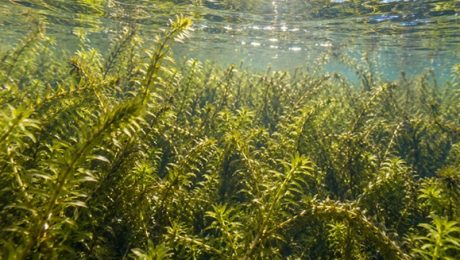
Aquatic Plant Elodea
A common aquarium plant illegally dumped into Alaskan waters that has adapted to cold weather could threaten wild salmon habitat and cost the commercial fishing industry hundreds of millions of dollars. A recent study conducted by ISER, the Institute of Social and Economic Research, found that if not managed, the cost of the elodea invasion
Alaska sockeye fishing industryaquarium plant invasionaquatic invasive species Alaskaelodea Alaskaelodea economic impactinvasive aquatic plants Alaskasalmon habitat invasive species

Aquatic Weed Growth in Wheeler Reservoir Creates Mixed Reactions

  • 0
/ Published in Lake & Waterway Management, Recreation & Fisheries
Texas Governor Test Drives TVA's Aquatic Weed Harvester
A recent increase in aquatic vegetation in Wheeler Reservoir in Alabama has anglers smiling, but local skiers, pleasure boaters and homeowners see the weeds as a menace. Tennessee Valley Authority officials said they are hearing lots of complaints from homeowners and boaters about the hydrilla, eel grass, star grass and milfoil up and down the
aquatic vegetation managementaquatic weed harvestingeelgrass stargrass milfoilhydrilla Wheeler Reservoirlake access channel cuttingTennessee Valley Authority lakesWheeler Reservoir Alabama

Starry Stonewort Threat Growing in Minnesota Lakes

  • 0
/ Published in Aquatic Invasive Species, Lake & Waterway Management
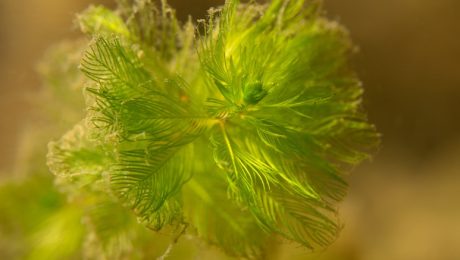
Invasive algae starry stonewort
It’s only found in 14 Minnesota lakes at this point, but starry stonewort has the potential to cause lots of harm, and fast. Recent research shows that the macroalgae has the potential to be the high-impact invader in Minnesota lakes that many already fear it is. It warrants the high prioritization that public agencies and
aisaquatic algaeaquatic vegetationinvasive algaeinvasive specieslake managementmacroalgaeMinnesota lakesstarry stonewortwater quality

Herbicide Weed Resistance Battle Must be Fought at Different Levels

  • 0
/ Published in Aquatic Herbicides
We realize this article is about terrestrial weeds, but can’t help but make the connection to aquatic plants and the need to have many options in the lake management plan. When weeds begin showing resistance, it’s not a case of the herbicide changing the weed, it’s a simple “survival of the fittest” case, according to
herbicide resistanceweed control

Native Species or Invasive? The Distinction Blurs as the World Warms

  • 0
/ Published in Aquatic Invasive Species, Lake & Waterway Management
Aquatic Weeds Clogging Irrigation Canal
Across the warming globe, a mass exodus of tens of thousands of species is transforming the distribution of biodiversity — and challenging fundamental tenets in conservation policy and science. In recent years, scientists have documented countless species shifting their ranges toward the poles, higher into the mountains, and deeper into the seas in response to
climate changeinvasive speciesnative species

TVA Uses Harvesters to Manage Hydrilla in Lake Guntersville

  • 0
/ Published in Aquatic Invasive Species, Aquatic Plant Management
HM-420 Harvester Cutting Hydrilla
There are two main invasive weeds in Lake Guntersville, hydrilla and milfoil. Neither plants are native to the lake. In fact it’s believed that milfoil entered the Tennessee River system by someone dumping a home aquarium in the Watts Bar Lake, upriver from Lake Guntersville. Tennessee Valley Authority allowed the news media to see how
hydrilla milfoil control TVA lakesinvasive aquatic plants navigation channelsLake Guntersville hydrilla milfoil managementmechanical harvesting boat channel clearingTennessee River aquatic vegetation managementTVA aquatic weed harvesting Tennessee River

Grass Carp Control Hydrilla but Eliminate Vegetation in Smith Mountain Lake

  • 0
/ Published in Aquatic Invasive Species, Lake & Waterway Management
Native to Africa and believed to have been introduced to American waters from the aquarium trade in the 1960’s, hydrilla has quickly spread across the southern U.S. from Connecticut to California.
In 2013, 6,000 sterile grass carp were introduced into Smith Mountain Lake, Virginia, to combat the growth of invasive aquatic vegetation such as hydrilla which has seen a massive growth around the lake. When hydrilla was first discovered at the lake in 2007, a patch of the aquatic weeds were just a few acres in
aquatic vegetation loss lakesgrass carp vegetation controlhydrilla invasive planthydrilla lake managementinvasive aquatic plants VirginiaSmith Mountain Lake Virginiasterile grass carp stocking

Buffalo Lake Harvesting Removes 13 Million Pounds of Weeds

  • 0
/ Published in Aquatic Plant Management, Water Quality & Pollution
Weed Harvesters and Transport Barge
Congratulations are in order to Buffalo Lake Protection & Rehabilitation District! Our customer recently mentioned they removed 1300 loads of weeds so far this year with their fleet of Aquarius equipment. Buffalo Lake is actually a flowage consisting of 2500 acres and is very shallow with a maximum depth of 8 feet. The shallow waters
aquatic plant harvesting phosphorus removalBuffalo Lake weed harvesting Wisconsinlake algae prevention harvesting programmechanical weed harvesting shallow lakesnutrient removal aquatic vegetationWisconsin lake management success story

Salt in Water Sources Becoming Worrisome

  • 0
/ Published in Lake & Waterway Management, News, Water Quality & Pollution
Spreading Salt on Snow Covered Roadways
Salt in water sources becoming worrisome in D.C. region, experts warn By Antonio Olivo August 8, 2022 at 6:00 a.m. EDT The Washington region is growing — a metropolis of nearly 6 million people where area officials are pressing to build another 320,000 homes by the end of this decade. And with that growth comes
drinking waterroad saltsalinizationwater resources

Lose the Seagrass and Lose the Fisheries

  • 0
/ Published in Aquatic Plant Management, Water Quality & Pollution
Climate change affects creatures around the world. But land animals may have a slight advantage over marine species in running from the ill effects of global warming: the ability to escape. The oceans absorb the majority of the excess heat. Because they distribute the heat widely, ocean temperature gains are subtle.  But, even a small
fisheriesseagrasssubmerged aquatic vegetation
  • 41
  • 42
  • 43
  • 44
  • 45
TOP