


In a study recently published in the journal, “Aquatic Toxicology,” researchers found that while concentrations of the herbicide fluridone similar to those used when it’s applied to lakes to control Eurasian watermilfoil and hydrilla can have major impacts on fish reproduction. A research team with the Department of Forest and Wildlife Ecology at the University

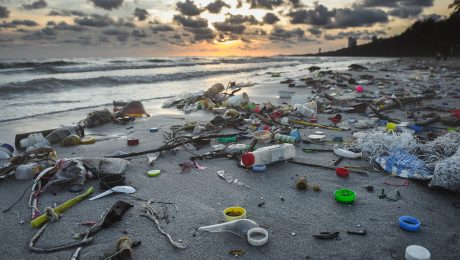
While the true solution to curb the pollution problem lies in several areas such reducing the single-use plastic items as well as better recycling programs. However, Aquarius Systems does offer a Solution to the Pollution that plagues rivers, lakes, reservoirs, and other waterways; it is an Aquatic Trash Skimmer. Marine debris is not a new

The glyphosate-based herbicide Roundup has been found to trigger the loss of biodiversity among phytoplankton communities in freshwater ponds. In their experiments, scientists found that while some populations developed resistance to the herbicide and were able to survive exposure at high levels, this came at a cost, with a 40 percent loss in biodiversity. The

Heidi Bunk, a water resources management specialist with the Wisconsin Department of Natural Resources, said while the long-term effectiveness of hand pulling the invasive species starry stonewort is still being evaluated, it can be advantageous because it allows for the removal of starry stonewort without harming native species in the way chemical treatments might. She
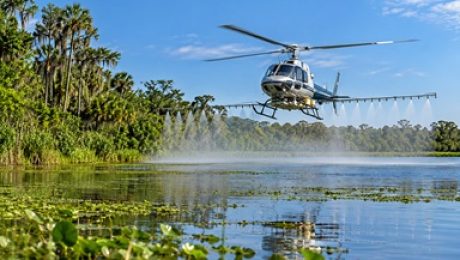
On any given day, helicopters and an armada of airboats fan out across Florida’s fresh waters to spray tank after tank of poison. Pouring millions of gallons of herbicide into rivers and lakes to kill the weeds. What started as sensible navigation and flood control has turned into a million-dollar-a-month chemical addiction that is killing

On April 20, 2010 the Deepwater Horizon drilling rig, located about 41 miles southeast of the Louisiana coast exploded. The explosion and subsequent fire resulted in the sinking of the drilling rig and the deaths of 11 workers. The same blowout that caused the explosion also caused an oil well fire and a massive offshore

More than 85% of the world’s oyster reefs have been lost since the 1900s, through over-harvesting of the species, increased coastal development, destruction of wetlands and increased water pollution. Oysters could one day be the answer to the complex question of how to protect California’s disappearing coastline. While a project to restore oyster populations is
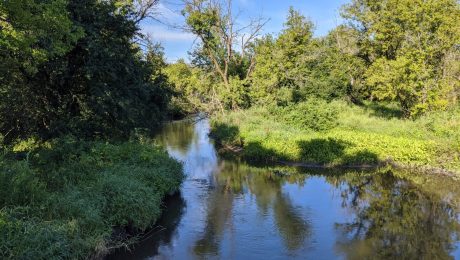
Environment and Water Ministry secretary-general Datuk Seri Zaini Ujang said that the cleaner rivers in the Klang Valley was due to less human interference such as industrial waste and construction works, which contributes to murkey grey waters and general pollution. Globally, countries have seen their waterways clear up and native animals return as human activity
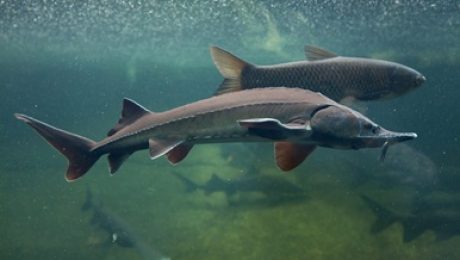
The U.S. Army Corps of Engineers is taking some innovative, and perhaps unusual, steps to keep Asian carp (the silver and bighead carp in particular) from infesting the Great Lakes. In the next several years several layers of protection will be used to thwart the arrival of the carp by way of the Chicago-area rivers