

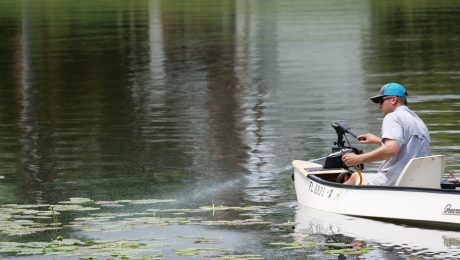
Invasive aquatic plants represent a serious problem in many lakes and waterways. To combat the aquatic weed infestation, herbicides are often applied directly to the water to kill the plants. Many of these herbicides are quite toxic and while permits are required prior to the application there may be flaws with the permit process. Aquatic

The water of Half Moon Lake in Eau Claire, Wisconsin, will hopefully be clearer once the city’s parks, recreation, and forestry division is done harvesting the aquatic vegetation. Due to the significant amount of floating weeds throughout the lake, the city and the Wisconsin Department of Natural Resources are working together to solve the problem.

About 40 trailers full of vallisneria americana, or eelgrass, have been removed from a site on the river nearby the Hamburg Road bridge since Monday, and about another 30 truckloads will be removed by Friday, said Pat Hohl, township supervisor. A Professional Lake Management Inc. crew is using operator-run machinery to harvest, or chop, the
The sweet seep of autumn rain is bringing coho salmon back home to their natal streams all over the Puget Sound basin in Washington State— where too often they encounter a bitter truth: pollution in a shocking 40 percent of their home range so bad it can inflict a swift death. The culprit is stormwater,
Wisconsin is the birthplace of modern aquatic plant harvesters. The industry has grown in response to what most Americans consider a problem: Too many plants interfering with the recreational use of our lakes and waterways. The first machine was built in response to fussy Chicago housewives! Around the turn of the century, ice was harvested
Lakes provide many benefits and services, from recreational opportunities to irrigation to aesthetic enjoyment. In order to maintain the ecological quality of their lake, as well as enhance its economic and recreational benefits, lakeshore residents can organize to form lake associations. In theory, lake association sustainability has a direct and positive effect on lake sustainability,

West Coast beachcombers have treasured the rare sightings of Japanese glass floats; spherical buoys strung together to aid fishermen in managing their catch. It was once thought that these translucent orbs took nearly a decade to reach the U.S.–traveling up to 8,000 miles of open sea. But in 2011, 5 million tons of debris was

Sargassum seaweed is growing out of control in many regions – it washes up on beaches in huge amounts. Utilizing a new technique, that rotting organic matter could soon be converted into biofuels and other products. The process doesn’t require the waste seaweed to be removed from the salt water. Instead, it begins with two
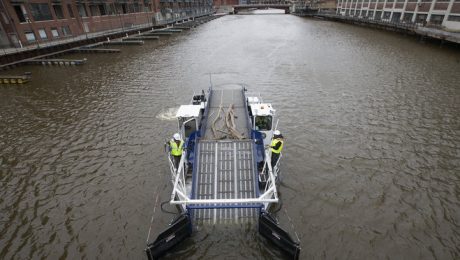
During the 20th century, Milwaukee, Wisconsin, became a hub of human activity and commerce. Toxic chemicals, discarded animal hides, meatpacking offal and other waste were dumped into the connected Milwaukee, Menomonee and Kinnickinnic rivers with abandon, not to mention municipal sewage. Now a coalition of government entities and advocates is launching an ambitious project to