

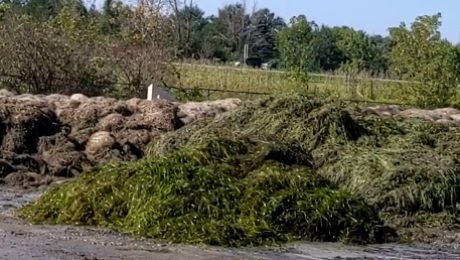
Portions of three lakes this season will have hand harvesting of Eurasian Water Milfoil (EWM) according to information from the Lower Eagle River Chain of Lakes Commission in Wisconsin. The affected area is composed of seven acres. Since 2008, the commission has treated 1,117 acres of milfoil at a cost of $1.53 million. It took

A new report says some levels of pollution are down in the Potomac River, but cautioned that the once-troubled waterway isn’t out the woods yet. Metropolitan Washington Council of Governments analyzed data collected between 1985 and 2016 and found that “water quality improvements have reduced pollution significantly.” MWCOG’s 27-page report said two substances in particular
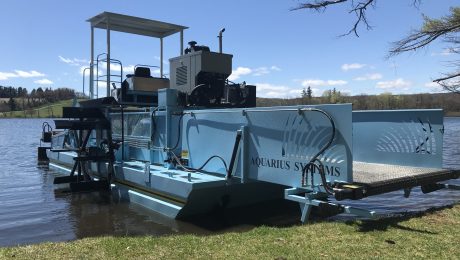
Rudd Pond, located in Taconic State Park, recently received their new Aquarius Systems’ aquatic plant harvester. The pond has become overgrown with aquatic vegetation, keeping visitors from swimming, boating and camping. The park itself is also getting new bath houses, but the most important component of the redevelopment of Taconic State Park is the maintenance

Dane County’s 13 aquatic plant harvesters will aid county efforts to mitigate flooding in the Yahara Chain of Lakes in Wisconsin. Dane County’s total operating budget for lake weed management in 2019 is $773,400 – a more than 53 percent increase in funds compared to last year. Harvesting of aquatic plants occurs over an area

Fishtrap is one of the larger lakes in Eastern Kentucky, at more than 1,000 acres, and it attracts about 200,000 visits per year. Boaters also frequent Fishtrap to cruise and admire the steep mountains and rocky outcroppings that jut up from the banks. The U.S. Army Corps of Engineers resource manager at Fishtrap said the
Wildlife populations, including birds, mammals, amphibians, reptiles and fish, have seen an average 69% decline since 1970, according to the World Wide Fund for Nature’s (Formerly World Wildlife Fund) Living Planet Report (LPR) 2022. The report also highlights that freshwater aquatic life has also decreased by 83% globally in the last 50 years. The exploitation
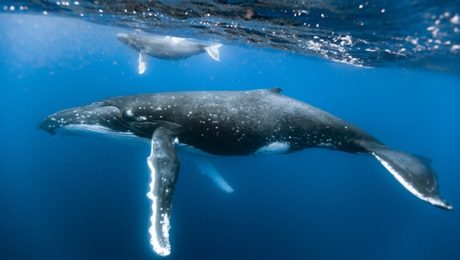
Central Puget Sound is home to several species of threatened and endangered marine mammals, birds, and fish — most notably Southern Resident killer whales, an iconic and beloved species in our region. Underwater noise impacts their ability to feed, communicate, navigate, reproduce, and avoid danger. In fact, the Washington Department of Fish and Wildlife cites
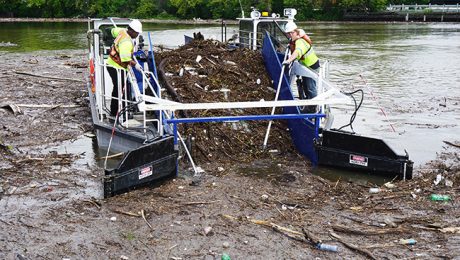
In 2012, an environmental star of sorts was born, celebrated by Milwaukeeans, especially those who enjoy strolling along the Milwaukee Riverwalk or kayaking on Milwaukee River. The Lynyrd Skymmr is a 50-foot-long river skimmer that cruises Port Milwaukee‘s waterways several times a week to collect floating debris — dead fish, plastic bottles, branches and other

The Milwaukee Metropolitan Sewer District is preparing for the Democratic National Convention and the appearance of clean water is a big part of show casing what the city offers. Milwaukee’s Trash Hunter, the Lynyrd Skymmr plays a huge role in keeping the waterways debris free. This debris skimmer boat can collect anything from plastic bottles
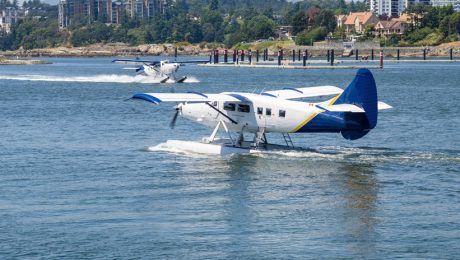
Pacific Northwest seaplane pilots have pioneered a program that would allow pilots to perform their own invasive species inspections prior to landing in another state’s waters rather than requiring state or federal inspectors to perform the examination. Participants watch an educational video, take an accompanying quiz, and pocket a completion certificate. The course describes how