
Stay up to date with the latest news, insights, and updates from Aquarius Systems. Our blog covers waterway management, aquatic plant control, environmental challenges, equipment innovations, and stories from around the world that impact our lakes, rivers, and communities.

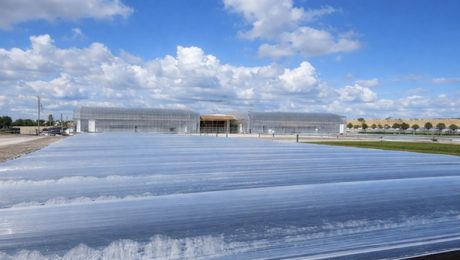
Algenol Biofuels, located in Southwest Florida, was founded in 2006 and is a young, but rapidly developing and sophisticated company. What makes this company different than other young businesses; they are producing ethanol using algae. Algae, simple photosynthetic plants that live in water, are among some of the oldest living organisms on earth. Most species

Fifteen years ago genetically engineered crops hit the market much to the delight of farmers. These new Roundup-tolerant crops allowed farmers to simply spray the herbicide Roundup over their fields and everything died – except the corn, cotton, and soybeans. Recently, farmers have realized that certain weeds weren’t dying anymore; in Georgia that plant is


World Water Day is held annually on March 22 as a means of focusing attention on the importance of freshwater. At the 1992 United Nations Conference on Environment and Development it was recommended that there be an international day to celebrate freshwater, the United Nations General Assembly agreed and designated March 22, 1993 the first

Little thought is given to aquatic weeds unless you live or recreate on the worlds waterways. The aquatic plant harvester industry has grown in response to those concerns. With Pictures of steam powered cutter boats dating back to the late 1890’s, we know that excessive plant growth has been a problem for a long time.
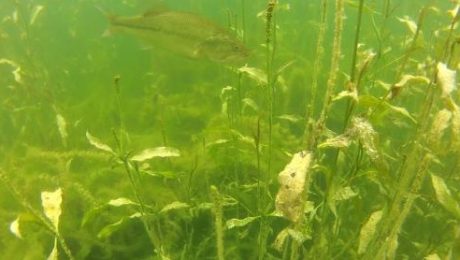
According to the dictionary, a weed is a plant considered undesirable, unattractive, or troublesome, especially one growing where it is not wanted. So while most aquatic plants are pegged as “seaweeds” the Japanese refer to them as sea vegetables. Many of the aquatic plants are of great value for both the ecological system in which
Blue-green algae, technically known as cyanobacteria, are microscopic organisms that are naturally present in lakes and streams. Typically present at low number, blue-green algae can quickly become abundant in warm, shallow, undisturbed surface water rich in nutrients like phosphorous and nitrogen. Some blue-green algae produce toxins that could pose a health risk to people and

Release Date: 12/07/2011 Contact Information: Enesta Jones, jones.enesta@epa.gov, 202-564-7873, 202-564-4355; En español: Lina Younes, younes.lina@epa.gov, 202-564-9924, 202-564-4355 WASHINGTON – The U.S. Environmental Protection Agency (EPA) today announced it will provide up to $1.8 million for projects across the country to protect Americans’ health and help restore urban waters by improving water quality and supporting community

Ninety-eight percent of Malawi’s electricity supply comes from five hydro plants on the Shire River. An increase in floating aquatic weeds and debris caused serious operational problems at the stations and resulted in millions of dollars spent on repairs. For example, the intake structures at one plant were so blocked by accumulated weeds, water could not

We focus a lot on aquatic invasive plants, just because that is our business – but there is another invasive species that certainly deserves some print on our blog. It is partically because of them that weed harvesters are needed. Zebra mussels, a freshwater aquatic nuisance, which grow to about the size of a dime
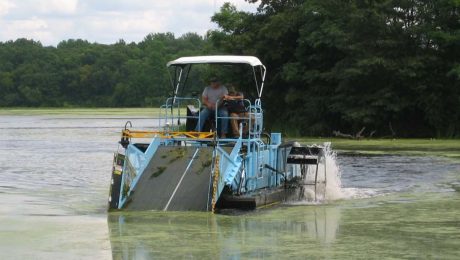
The Bakersfield big blue mechanical monster in the lake is pretty intimidating up close. The aquatic weed harvester acts like an underwater lawn mower. It moves about 5 mph and has cutter blades underneath it with an adjustable swath of about 8 feet wide and 6 feet deep. The blades cut the weeds as they