


Trapa natans is native to Western Europe and Africa and northeast Asia, including eastern Russia, China, and southeast Asia to Indonesia. Trapa natans was first introduced to North America in the mid- to late-1870s, when it is known to have been introduced into the Cambridge botanical garden at Harvard University around 1877. A decade later
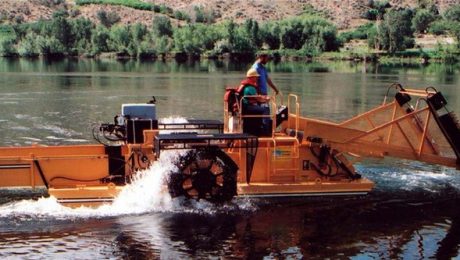
Kirksville City Council members voted to approve a resolution to allow weed harvest operations at Forest Lake in Thousand Hills State Park, Missouri, as the invasive curly leaf pond weed is not only negatively affecting recreation activities, but also impacts water quality and the drinking water treatment process. In 2018, the city entered into a

Introduced aquatic weeds clog many of New Zealand’s waterways. It affects aquatic life and prohibits access and use for recreational users. Lakeweed Harvesters remove the aquatic plants mechanically, using a harvester mounted on a three metre by seven metre pontoon vessel. The operation works under strict standard operating procedures to ensure maximum weed is harvested
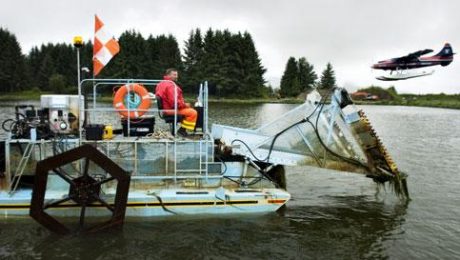
It is exhausting reading about lake after lake after lake becoming infested with an over abundance of aquatic vegetation. This plant material not only negatively affects water quality, the health of the fishery, recreation, aesthetics, but it is financially devastating as well. It affects tourism; bait shops, marinas, hotels, restaurants. It affects lake property owners;