(262) 392-2162 | info@aquarius-systems.com
  • Contact Us
  • Resources
  • Careers

Aquarius-Systems

  • Home
  • Equipment
    Weed Harvesters
    Aquatic Excavators
    Canal Cleaners
    Vegetation Shredders
    Trash Skimmers
    Transport Barges
    Trailers
    Offloading Conveyors
  • Service
    Parts & Service
    Equipment Manuals
    Safety Guide
  • About Us
  • Media
  • Latest
  • Quote

Soil Erosion and Water Pollution

  • 0
/ Published in Water Quality & Pollution
Soil Erosion Leads to Water Pollution
The relationship between water quality and soil erosion cannot be overemphasized. Soil erosion and residue management, especially surface water runoff, influence water quality. A silt fence, sometimes called a filter fence, is a temporary sediment control barrier used on construction sites to protect water quality in nearby waterways from sediment in stormwater runoff. The problem
sediment controlsoil erosionstormwater runoffsurface water runoffwater pollution

Stormwater Runoff Carries Pollution Straight Into Our Waterways

  • 0
/ Published in Blog, Water Quality & Pollution
Farm chemicals and manure runoff pollute waterways.
The Environmental Protection Agency reports that 40% of the nation’s waterways suffer water quality problems.  Water systems are often interlinked and the dangers of runoff from agriculture, forestry, construction and people’s personal yards are numerous. Did you know that a typical city block generates more than five times as much rainwater runoff as a forested
Environmental AwarenessEPA waterwaysfertilizers and pesticideshousehold pollutionnonpoint source pollutionrunoff pollutionstormwater runoffurban runoffwater pollutionwater qualitywatershed protection

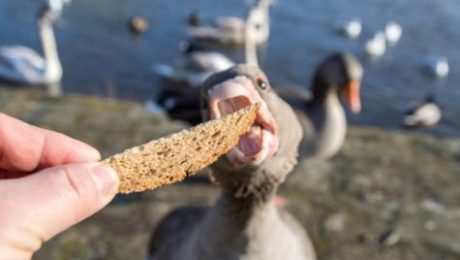
Why Feeding Ducks Bread Harms Wildlife and Pollutes Water

  • 0
/ Published in Blog, Water Quality & Pollution
Bread is low in protein and are very poor substitutes for natural foods such as aquatic plants, natural grains, and invertebrates.
The sun is shining. The temperatures are rising. A trip to the park is imminent. All of the end pieces of bread saved during the long winter is gathered and ready for the trip. Strolling along the water’s edge the ducks are just waiting to receive some of the bounty, they are so used to
algae growthbread and wildlifeduck feeding mythsfeeding ducksnutrient runoffpark pondsurban wildlifewater pollutionwaterfowl healthwildlife behavior

Where Road Salt Comes From and How It Pollutes Waterways

  • 0
/ Published in Blog, Water Quality & Pollution
Loading road salt ahead of the weather.
In 2013 U.S. officials applied about 17 million tons of salt to roads. Salt lowers the freezing temperature of water and thus melts street-clogging snow and ice. But its public safety benefits do come with some ecological drawbacks. Salt not only damages metal and concrete, it contaminates drinking water, kills vegetation, and accumulates in streams,
chloride contaminationdrinking waterenvironmental impactsfreshwater ecosystemsgroundwaterinfrastructure damageroad saltsalt miningsnow and ice controlwater pollutionwinter maintenance

Atrazine, Frogs, and the Scientist Challenging a Widely Used Herbicide

  • 0
/ Published in Blog, Water Quality & Pollution
Dr. Tyrone Hayes
Attending the Wisconsin Lakes Partnership convention is an annual event that Aquarius Systems looks forward to every year. We enjoy seeing old friends, meeting new friends; customers, DNR agents and academics. This year’s event featured a speaker that has literally made headlines, although not always in a good way. Dr. Tyrone Hayes of the University
agricultural runoffaquatic ecosystemsatrazinedrinking waterendocrine disruptorsenvironmental healthfrogsherbicidespesticideswater pollutionWisconsin Lakes Partnership

Road Salt Keeps Roads Safe but Pollutes Waterways and Drinking Water

  • 0
/ Published in Blog, Water Quality & Pollution
Spreading Salt on Snow Covered Roadways
Countries around the world experience extended periods of snow and ice.  In order to combat the icy road conditions crews spread road salt on sidewalks and roadways.  Salt was first used in the United States on an experimental basis in New Hampshire in 1938.  By the winter of 1941-1942, 5,000 tons of salt was spread
aquatic ecosystemschloride contaminationdeicing chemicalsdrinking watergroundwaterroad saltstormwater runoffwater pollutionwinter maintenancewinter safety
  • 1
  • 2
TOP