Blog

Clean water starts here - explore our Blog

Stay up to date with the latest news, insights, and updates from Aquarius Systems. Our blog covers waterway management, aquatic plant control, environmental challenges, equipment innovations, and stories from around the world that impact our lakes, rivers, and communities.

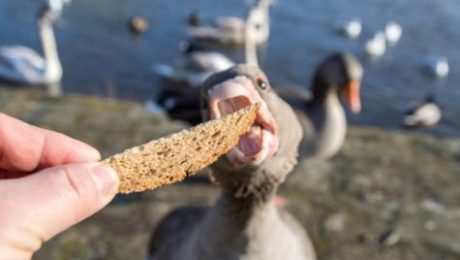
Bread is low in protein and are very poor substitutes for natural foods such as aquatic plants, natural grains, and invertebrates.
The sun is shining. The temperatures are rising. A trip to the park is imminent. All of the end pieces of bread saved during the long winter is gathered and ready for the trip. Strolling along the water’s edge the ducks are just waiting to receive some of the bounty, they are so used to
Loading road salt ahead of the weather.
In 2013 U.S. officials applied about 17 million tons of salt to roads. Salt lowers the freezing temperature of water and thus melts street-clogging snow and ice. But its public safety benefits do come with some ecological drawbacks. Salt not only damages metal and concrete, it contaminates drinking water, kills vegetation, and accumulates in streams,
Toxic algae blooms pose a risk to humans and wildlife.
There are more microorganisms in and on a “person” than there are “human cells.” Along with a few pounds of bacteria — trillions of microbes — an even larger number of viruses live in and on the human body. Some of which change the way we think and feel, and even the way we interact
AVC-101 Chopping Bog on Whitewater Lake
Wild rice is an annual aquatic grass that produces seed that is a delicious and nutritious source of food for wildlife and people. Harvested in the early autumn, wild rice was an immensely important commodity to Native Americans, particularly the Ojibwe and Menominee, who lived in the areas where it grew abundantly. The Menominee even
TOP