

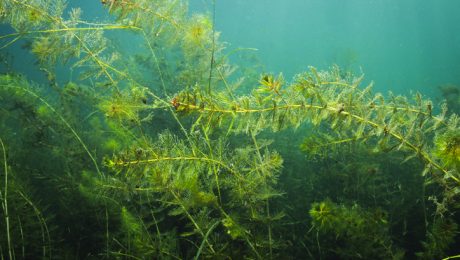
Okanagan Basin Water Board (Canada) built and operates three milfoil rototillers that have been in use for several decades. The machines were built for the sole purpose of chewing up the bottom of the lake and loosening up the roots of aquatic plants, especially Eurasian watermilfoil. The program started when the Eurasian Milfoil weed was
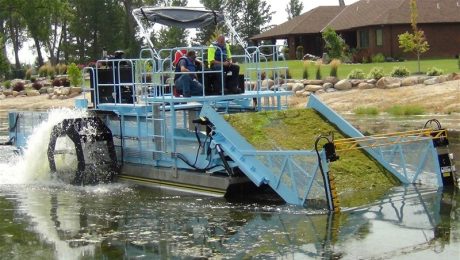
The Cazenovia Town Board’s first meeting of the new year — and with recently elected Councilor Jimmy Golub seated at the table — saw not only the making of annual organizational appointments for the town government, but also the announcement that the town is soliciting bids to potentially purchase a brand new lake weed harvester
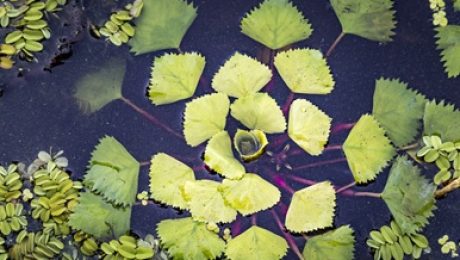
The Charles River Watershed Association and local citizens have obtained funding to conduct large-scale mechanical harvesting to remove roughly 50 acres of water chestnut and other invasive weeds. The Charles River Lakes District in Massachusetts is a popular destination for canoeists, kayakers and rowers, but the pollution from stormwater runoff resulted in an increase in

Aquatic plant control always seems to be a controversial issue. Rock Lake located in Southeastern Wisconsin is no exception. Last year residents opposing harvesting formed a human barrier to keep the aquatic plant harvester from entering the water. This year the Rock Lake Restoration Association has once again applied and received a permit to harvest
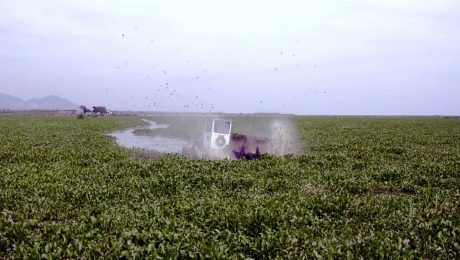
Aquarius Systems was featured on a National Geographic Cable Channel program broadcast in the United States on April 2nd and 5th, 2003. The Swamp Devil Aquatic Vegetation Cutter (formerly known as the Cookie Cutter) has been used on Lake Victoria since 1998 to help control dense mats of water hyacinth. A film crew from National

What is Harvesting? Operational Considerations for your lake. Expected Results from a Weed Harvesting Program. Most aquatic plant harvesting systems will cut and remove submersed plants to a depth of five or six feet. As this biomass is removed from the lake, the water is immediately ready for use and there are no restrictions on
Intensive in-lake and watershed management caused Kohlman Lake, the northernmost lake in the Phalen Chain of Lakes in Minnesota, to go from a relatively turbid to a clear water state. Aquatic plants responded to the clean waters by growing up to the surface. The change in lake state and a comprehensive water quality monitoring dataset

Aquatic plants, whether invasive or native, can be described as either a mess or a resource. Natural plant growth covers 20 – 40% of the water and includes a diversity of plants. However, invasive plants such as Eurasian watermilfoil, hydrilla and water hyacinth quickly take over a lake covering 60% and sometimes 100% of the

Little thought is given to aquatic weeds unless you live or recreate on the worlds waterways. The aquatic plant harvester industry has grown in response to those concerns. With Pictures of steam powered cutter boats dating back to the late 1890’s, we know that excessive plant growth has been a problem for a long time.